
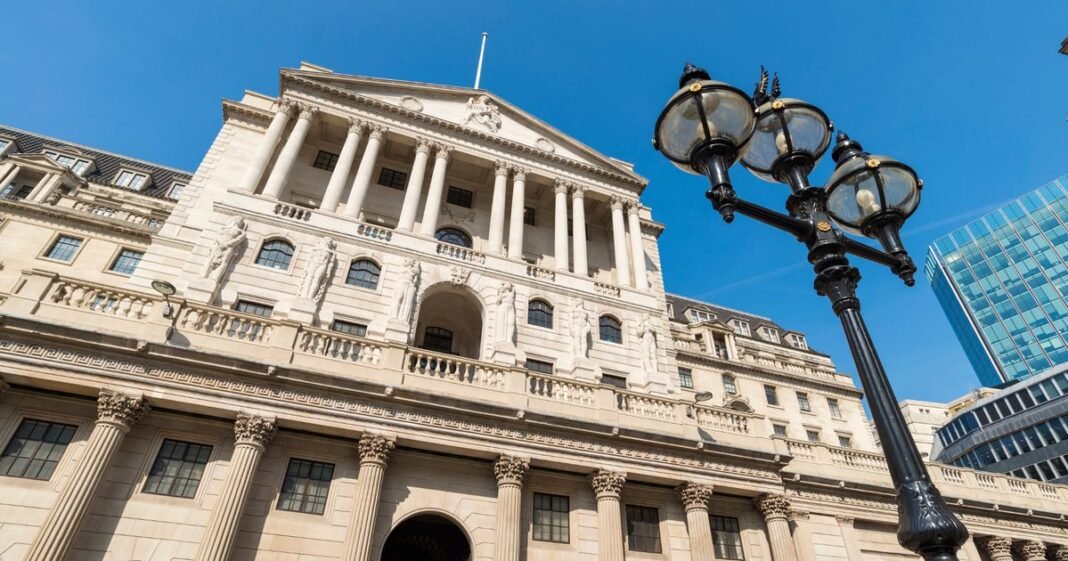

The Bank of England has announced a rate cut, bringing interest rates to their lowest level since February 2023. The Monetary Policy Committee voted 5-4 to lower the base rate from 4% to 3.75%, marking the sixth cut since August of the previous year. Bank Governor Andrew Bailey’s support for the cut was key, following a decrease in inflation that was anticipated.
This reduction will benefit borrowers with variable rate mortgages and is expected to lead to lower fixed-rate mortgage costs for new loans and remortgages. However, it may pose challenges for savers if financial institutions reduce deposit interest rates.
Chancellor Rachel Reeves welcomed the rate cut, noting that it is the sixth cut since the election and will be beneficial for families with mortgages and businesses with loans. She emphasized the ongoing efforts to support families with the cost of living, including measures such as freezing rail fares, prescription charges, and reducing energy bills.
TUC General Secretary Paul Nowak expressed approval of the rate cut but emphasized the need for further and faster action to boost the economy, especially given current challenges such as weak demand and low confidence. He stressed the importance of continuous rate cuts to stimulate spending and investment.
The decision to cut rates follows a decrease in inflation to 3.2% in November, driven by lower food and drink prices. Marylen Edwards, director of mortgages at MT Finance, welcomed the rate cut and expressed hope that it would boost market confidence, leading to increased transactions in the New Year.
The Bank of England’s base rate has seen multiple cuts since August 2024, bringing it down to 4% from 5.25% in 2023. The recent cut is expected to save borrowers with variable rate mortgages significant amounts each month, providing relief amid economic uncertainties.
Bank Governor Andrew Bailey highlighted the decrease in inflation as a factor enabling the rate cut and hinted at a gradual downward trend in interest rates. Economic experts anticipate further rate cuts in the coming year to support economic growth.
Despite the rate cut, the Bank warned of continued economic challenges, with no growth expected in the final quarter of the year. Some MPC members who voted against the rate cut expressed concerns about persistent inflation and wage growth in certain sectors.
Forecasters predict that the base rate could eventually return to around 3% by late next year, with potential additional rate cuts in 2026. Stuart Morrison of the British Chambers of Commerce acknowledged the rate cut as a positive step for businesses but highlighted the ongoing challenges in driving economic growth and building confidence in the market.