
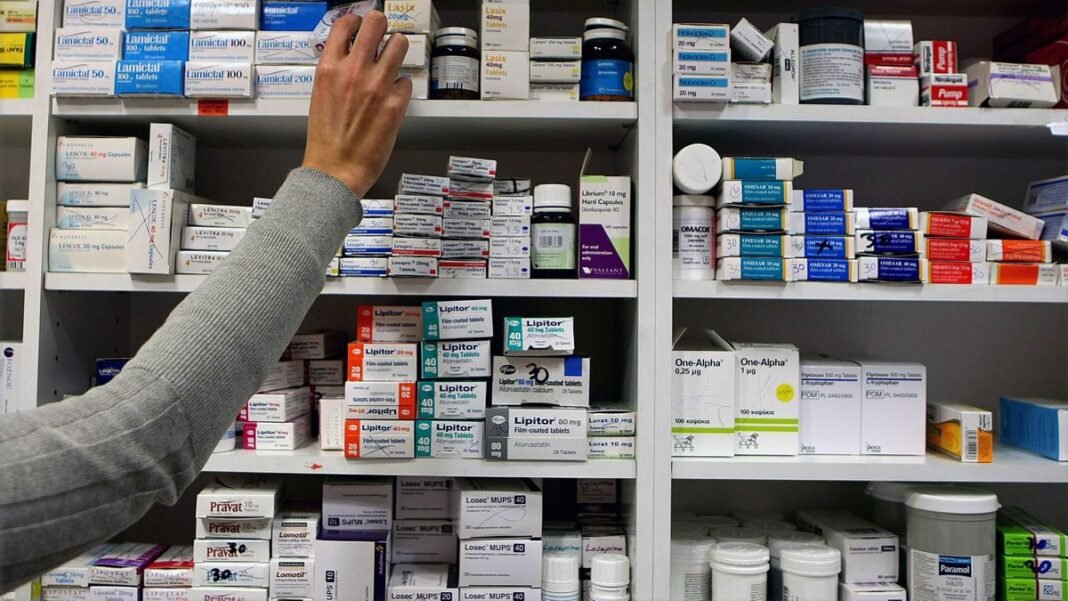

Family-owned pharmacies are increasingly shutting down in low-income areas across the country, leading to the emergence of “pharmacy deserts.” According to a recent analysis by the National Pharmacy Association, over 1,400 community pharmacies have closed since 2016, with a significant concentration of closures in regions with above-average poverty levels.
Nearly 90% of council areas have witnessed the permanent closure of at least one pharmacy in the past three years, a trend exacerbated by funding cuts to pharmacists by the government. Liverpool and York have been identified as the hardest-hit areas in terms of pharmacy closures, with other areas like Blackpool, Wakefield, Coventry, and Kingston Upon Hull also experiencing substantial closures.
West Berkshire has been dubbed the nation’s “pharmacy desert,” with the lowest pharmacy-to-population ratio, closely followed by Wokingham. Notably, nine out of ten council areas with the lowest provision of community pharmacies are rural regions.
The National Pharmacy Association has raised concerns about the impact of these closures on patient care, highlighting a concerning decline in the accessibility of essential medication and services for individuals in deprived communities. The organization emphasized that the current rate of pharmacy closures is unprecedented, with the pharmacy network in 2025 projected to be at its lowest in two decades.
In response to these challenges, the Labour party has allocated £617 million over two years to bolster the pharmacy sector, particularly through the expansion of the Pharmacy First scheme. This initiative allows individuals with common conditions like sinusitis, sore throat, earache, and others to directly consult with pharmacists, reducing the burden on general practitioners.
Despite some progress with the Pharmacy First scheme, stakeholders insist that more needs to be done to address the ongoing healthcare disparities exacerbated by pharmacy closures. The scheme has already benefited millions of patients in England, relieving pressure on GP services and enhancing access to essential healthcare services.
Health leaders are urging patients to take advantage of initiatives like Pharmacy First, which have successfully managed common ailments and provided consultations to millions of individuals. The importance of pharmacies in ensuring access to healthcare, especially in underserved communities, has been underscored by healthcare professionals and experts.