

Major telecom providers have committed to ending unexpected mid-contract price increases for millions of mobile and broadband customers. Previously, providers were prohibited from tying price rises to inflation, and now they must clearly disclose any bill increases in monetary terms.
Despite these efforts, consumer advocates like Martin Lewis have criticized some firms for announcing larger-than-expected price hikes mid-contract. The new Telecoms Consumer Charter mandates upfront disclosure of future price changes, ensuring transparency for customers signing up for mobile or broadband services.
Additionally, the charter includes improved accessibility to lower-cost social tariffs for eligible individuals, potentially saving households up to £220 annually. However, critics argue that the measures may not fully prevent providers from implementing above-inflation price hikes or using variable pricing strategies.
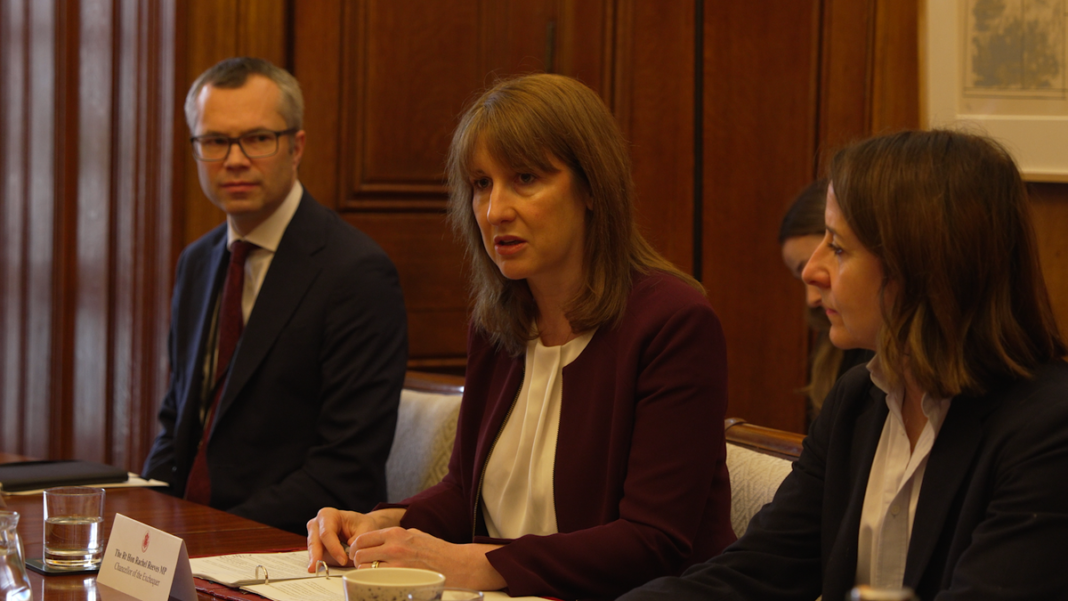
Chancellor Rachel Reeves and Technology Secretary Liz Kendall confirmed the new rules following discussions with leading telecom companies. While Reeves did not rule out legislative action, she emphasized the immediate implementation of the voluntary agreement to avoid lengthy legal processes.
Reeves underscored the government’s vigilance in monitoring telecom companies’ adherence to the charter and pledged further intervention if necessary. She expressed confidence that excessive price increases beyond contract terms would be curbed, placing the responsibility on telecom firms to comply with the agreement.
The Chancellor highlighted the frustration of customers over unexpected bill spikes in the past, leading to the charter agreement aimed at preventing such occurrences in the future. The voluntary nature of the agreement enables swift enforcement, bypassing prolonged consultations and legislative procedures.
In response to concerns about telecom firms’ support for customers, Reeves stated that the charter was a response to insufficient actions by providers, ensuring that previous instances of significant price hikes would not recur. Sebastien Lahtinen from thinkbroadband.com noted that while the changes enhance clarity and restrict unplanned increases, they do not eliminate annual rises or guarantee reduced costs for customers on lower-tier packages.
As the political landscape evolves, pressure mounts on Prime Minister Keir Starmer following controversial appointments. Despite the challenges, Reeves affirmed her support for the Prime Minister and the government’s agenda, emphasizing unity within the party to deliver on national priorities.
To save on mobile and broadband expenses, consumers are advised to compare prices, assess their usage needs, and consider switching providers or negotiating better deals. Eligible individuals should explore social tariff options for potential savings.