
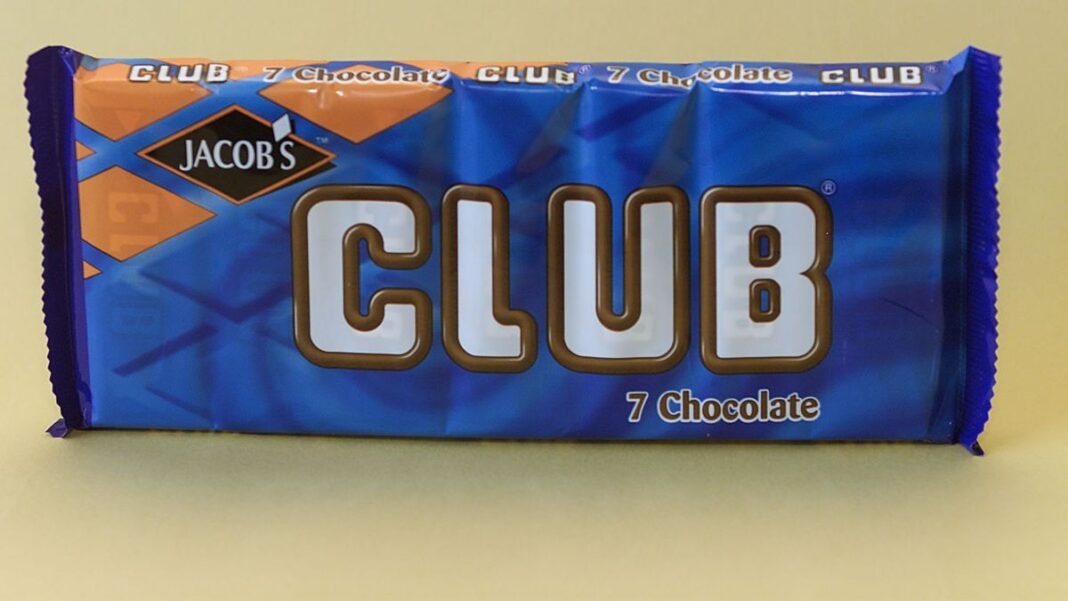

Britain’s popular lunchbox biscuits, Club and Penguin, have significantly reduced their cocoa content, making it no longer permissible to label them as chocolate. The manufacturer, Pladis, known for producing McVitie’s, has reformulated the biscuits, resulting in their coating now being referred to as “chocolate flavour” instead of actual chocolate. This change has led to the alteration of Club biscuit’s well-known slogan to “If you like a lot of biscuit in your break, join our Club.”
In response to the soaring cocoa costs, producers are striving to manage without substantially increasing retail prices. The biscuits now contain more palm oil and shea oil than cocoa solids in their coating, as reported by trade publication The Grocer.
Pladis explained that the adjustments made to McVitie’s Penguin and Club involve using a chocolate flavour coating with cocoa mass, which consumer testing indicated still delivers the same great taste as before. The company has other snacks described as “chocolate flavour,” such as Mini BN and BN Mini Rolls.
The cocoa crisis is a result of poor harvests in key cultivation regions like Ghana and the Ivory Coast over the past few years due to adverse weather conditions linked to climate change. Cocoa futures prices doubled last year, peaking near $11 per kilogram in January.
Pladis has started marketing certain flavours of Mini BN and BN Mini Rolls as “chocolate flavour” due to a more positive harvest and lower demand. The company remains committed to providing delicious snacks while minimizing the impact of rising costs on consumers by adjusting formulations only when necessary.
Similarly, products like KitKat White and McVitie’s white digestives cannot be labeled as “white chocolate” due to not meeting the minimum cocoa butter requirement. Wagon Wheels have also been categorized as “chocolate flavour” for some time.
Nestlé, the maker of KitKat, mentioned that they regularly review recipes to balance quality, affordability, and sustainability. The cost of cocoa has significantly risen in recent years, making production more expensive for manufacturers.