

The largest oil exporter globally issued a dire warning about the potential “catastrophic consequences” should the conflict in Iran continue to disrupt shipping activities in the vital Strait of Hormuz.
Due to the ongoing disturbance, oil shipments are facing significant hindrances in utilizing the waterway, which typically sees around 20% of the world’s daily oil flow passing through.
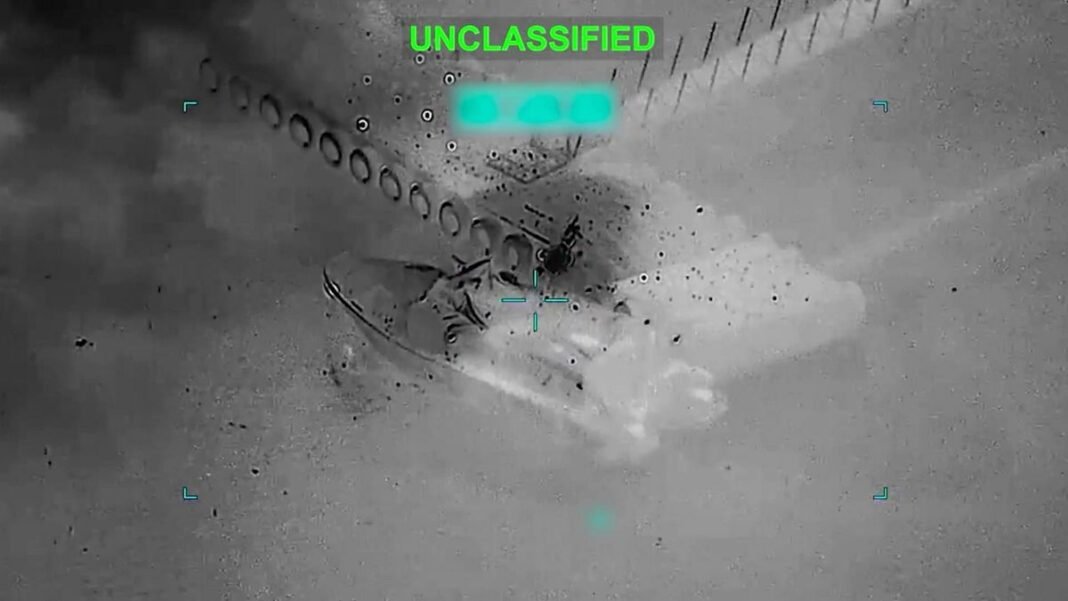
Iran’s Revolutionary Guards have adamantly declared their intention to impede any oil transportation from the Middle East if attacks from the US and Israel persist.
Amin Nasser, the CEO of Saudi Arabia’s state oil company Aramco, emphasized the severe impact that prolonged disruptions could have on the global oil markets and the overall economy. He highlighted this crisis as the most significant challenge ever faced by the oil and gas industry in the region.
Recent attacks on three commercial vessels along the shipping route have not only disrupted the shipping and insurance sectors but are also expected to trigger substantial repercussions across various industries such as aviation, agriculture, and automotive.
Amidst these developments, global Brent crude prices surged to over $120 a barrel before stabilizing around $92 on Wednesday. Reports suggest that the International Energy Agency may soon recommend releasing 400 million barrels from strategic reserves, potentially alleviating pressure on oil prices.
US President Donald Trump has reiterated strong warnings against Iran, indicating harsher actions if exports from the energy-producing region are obstructed. He also proposed the possibility of US Navy escorts to ensure safe passage for ships in the Gulf.
When questioned about the feasibility of US Navy escorts, Nasser emphasized the importance of resuming shipping in the strait, noting that global oil inventories are at a five-year low. Aramco is currently not exporting from the Gulf due to loading restrictions but continues to meet customer demands by utilizing existing global inventories.
As the situation unfolds, the oil industry closely monitors developments in the region, recognizing the critical need for swift resolutions to restore normal shipping operations in the Strait of Hormuz.