
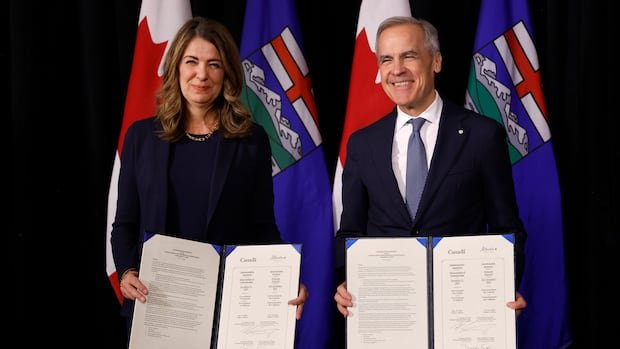

A coalition representing various First Nations in British Columbia has urged Ottawa and Alberta’s government to stop advancing the West Coast pipeline, citing concerns that expanding the oil industry will hasten climate change and related disasters.
In a letter to Prime Minister Mark Carney and Alberta Premier Danielle Smith, the Union of British Columbia Indian Chiefs emphasized that the negative impacts of boosting fossil fuel production transcend individual territories. They highlighted the ongoing effects of climate change, such as severe wildfires, destructive floods, and rising sea levels, across the country, stressing that each new fossil fuel project exacerbates the crisis.
The letter coincided with the B.C. government declaring a state of emergency due to over 100 wildfires raging in the province, prompting nearly 25,000 individuals from two communities east of Vancouver to evacuate. The Indigenous group timed the release of the letter to coincide with the International Day of the World’s Indigenous Peoples to underscore their opposition to the pipeline, citing lack of meaningful consultation and cooperation with First Nations by the government.
The group criticized the government for already establishing the project’s corridor, identifying potential development partners, and publicly advocating for its economic viability without engaging in genuine consultations with First Nations. In response, Karah Folk, spokesperson for Alberta’s Ministry of Indigenous Relations, defended the project by highlighting the long-term benefits it offers Indigenous communities and assured ongoing consultation as the project progresses.
While Ottawa and Alberta have not yet responded to requests for comment, the proposed 1,250-kilometre West Coast pipeline aims to transport over one million barrels of crude oil daily from Bruderheim, Alta., to a port near Delta, B.C., for export to global markets. The project is spearheaded by the Alberta government and involves ownership by Trans Mountain, the Alberta Petroleum Marketing Commission, and Pembina Pipeline Corp.
Additionally, the government has initiated steps to designate the project as of national interest under the Building Canada Act, which could expedite the pipeline’s approval process by bypassing certain environmental regulations. The public has until mid-September to provide feedback on this designation, with the project conditional on a carbon storage initiative known as Pathways. Pathways involves a pipeline network to transport carbon emissions from various sites in northern Alberta to an underground storage hub near Cold Lake, Alta., to mitigate the effects of increased oil production on the environment.
Despite government assertions that projects like the West Coast pipeline are vital for national interests, economic growth, Indigenous progress, and climate objectives, critics, including the Canadian Climate Institute, have raised concerns that the emissions resulting from expanded production facilitated by the pipeline outweigh the benefits of Pathways. The West Coast pipeline is part of several projects overseen by Carney’s Major Projects Office, with Ottawa emphasizing their strategic importance in fortifying Canada’s autonomy, fostering economic prosperity, advancing Indigenous rights, and aligning with climate change targets on a global scale.