
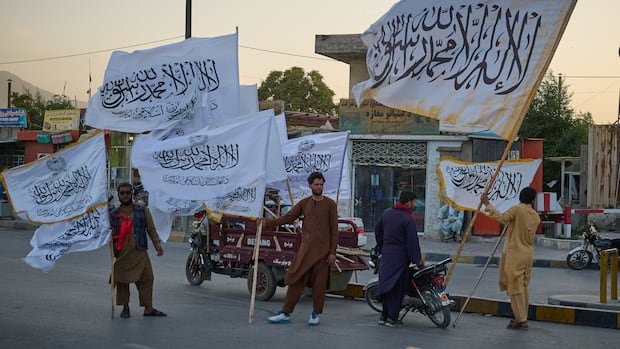

Abdul Razaq Khan, a former translator and fixer for Canadian media during the Afghan war, received a late-night message from a journalist he had guided in Kandahar five years ago. Khan, now residing in Canada after leaving his home country following the Canadian withdrawal from Afghanistan, was in Kabul when the Taliban began advancing towards the city in the summer of 2021.
The message expressing concern about his safety prompted Khan to reflect on the challenges he faced, including losing his job, home, and country amidst the rapid collapse of the western-backed government. Despite finding refuge in Canada, Khan still struggles to come to terms with the events that led to his displacement, emphasizing the emotional toll of leaving one’s homeland involuntarily.
Escaping on foot across the Pakistani border as the Taliban seized control of Kabul, Khan’s association with Canadian media outlets had put him at risk, along with numerous Afghans who had worked with journalists, military forces, and aid agencies. The Taliban’s resurgence not only displaced many Afghans but also ushered in a stringent regime erasing women from public life, stifling media freedom, and enforcing strict moral codes through a dedicated ministry.
The plight of Afghan women, who were a focal point of western social policies during the conflict, has been particularly grim. Reports from The Zan Times, an Afghan women’s advocacy group, highlight escalating violence against women with little to no accountability. Incidents of women’s deaths are often labeled as suicides, shielding perpetrators from justice and perpetuating a culture of impunity.
Efforts to protect women’s rights post-Taliban takeover have been limited to diplomatic condemnations and targeted sanctions, as western nations grapple with the challenge of safeguarding vulnerable individuals within Afghanistan. Despite implementing humanitarian visa programs for high-risk Afghan individuals, including judges, activists, journalists, and politicians, the evacuation and resettlement processes have been fraught with challenges.
Allied nations, as revealed in a report by Local Staff International and AfghanEvac, faced difficulties in swiftly evacuating and resettling Afghan allies post-Taliban rule. While some progress has been made in relocating vulnerable Afghans, there remain thousands at risk under the Taliban’s oppressive regime, necessitating a revisitation of resettlement programs to fulfill commitments made to those who supported NATO forces during the conflict.