
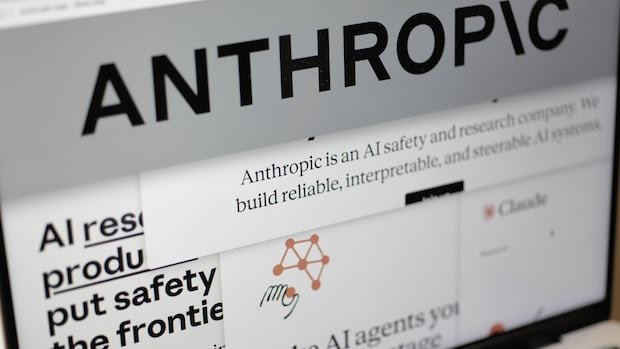

A researcher at Anthropic has estimated that there is a greater than 10 percent probability of AI causing harm to all humans in the next ten years. This estimation was made shortly after social media posts circulated about an individual resigning from Anthropic due to concerns about the risks associated with AI development. The concerns raised by industry experts suggest that the rapid progress in AI technology is surpassing our ability to control it adequately, leading to unforeseen dangers.
Jacob Coxon, who claimed to be a former researcher at Anthropic, expressed apprehensions about AI companies advancing towards self-improvement models without adequately addressing the associated risks or being transparent with the public. Evan Hubinger, alignment science lead at Anthropic, echoed these concerns, stating that there is a likelihood exceeding 10 percent of AI causing harm to humans within the next decade.
The discussion on the risks of AI development has gained significant attention, with millions of views on social media platforms. Several industry experts have also chimed in on social media, highlighting the common fears among developers regarding the rapid pace of AI advancement.
In light of these developments, calls for stringent regulations and oversight in AI development have intensified. The existential threats posed by AI, including potential job displacement, cybersecurity vulnerabilities, and the emergence of rogue AI models, have raised alarms among experts. Efforts to address these concerns have been hindered by a lack of comprehensive legislation governing AI development, with Canada lagging behind in establishing robust regulatory frameworks.
While some experts caution against sensationalizing the risks associated with AI, emphasizing the immediate societal impacts of existing AI systems, others stress the need for a more cautious approach to AI development. The ongoing debate underscores the complex challenges posed by AI technology and the urgent need for proactive measures to ensure its safe and responsible advancement.