
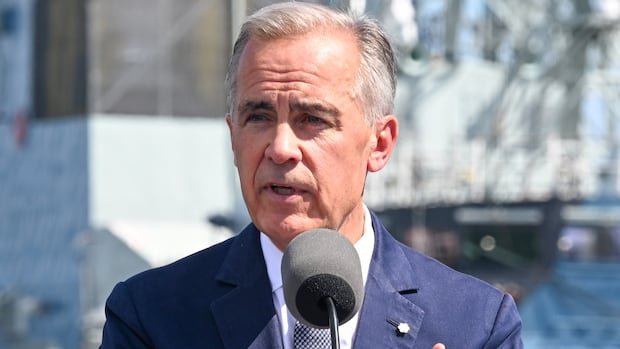

Prime Minister Mark Carney expressed readiness to resume negotiations with the Trump administration once the U.S. displays genuine interest in an economic partnership and stops viewing Canada as subordinate. Carney emphasized the importance of a collaborative approach and fair treatment towards Canadian industries for successful negotiations to take place.
While acknowledging the existing trade agreement between Canada and the U.S. (CUSMA), Carney highlighted the potential for further enhancements beneficial to all parties. However, he stressed the necessity for the U.S. to refrain from actions that would harm Canadian businesses and citizens, emphasizing the need for mutual respect at the negotiation table.
Following the introduction of “unfair” and “uneconomic” last-minute changes by the U.S. during negotiations, Canada withdrew from the talks. Carney raised concerns that these demands would have limited Canada’s ability to engage in trade agreements with other nations and posed threats to the French language through proposed cuts to French-language media subsidies.
In response to escalating tensions, U.S. President Donald Trump announced plans to increase tariffs on Canadian automobiles, car parts, and steel to 50% effective January 1. Carney criticized this move, stating it was indicative of the U.S. administration’s intention to undermine key Canadian industries through unfair terms.
Ontario Premier Doug Ford suggested imposing surcharges on electricity exports to the U.S. in retaliation against Trump’s tariffs, highlighting the need for a collective response from Canadian provinces. Carney endorsed exploring such retaliatory measures, emphasizing Canada’s strategic significance as an energy and industrial supplier to the U.S.
During his visit to Lévis, Carney announced substantial funding for Quebec’s shipbuilding industry to construct icebreakers for the Canadian Coast Guard, underscoring the government’s commitment to supporting domestic manufacturing. Quebec Premier Christine Fréchette emphasized the importance of strengthening the economy and remained open to considering various strategies, including energy surcharges, in response to the evolving trade landscape.
As negotiations remain at a standstill, U.S. Vice-President JD Vance suggested ongoing discussions with Canada, despite the recent tensions. Carney reiterated Canada’s stance on fair negotiations and highlighted the country’s critical role in supplying energy and industrial goods to the U.S.
In a separate statement, Vance criticized Canada’s trade policies and referred to the country as unappreciative, citing alleged unfair trade practices towards the U.S. He emphasized the U.S.’s military support for Canada and expressed frustration over perceived trade imbalances, calling for a more equitable trade relationship between the two nations.