
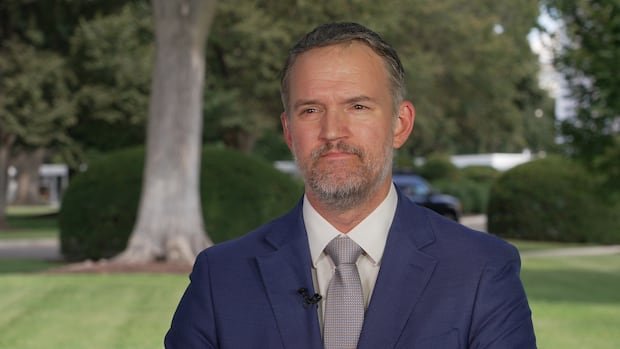

The chief trade negotiator of the Trump administration has challenged Ottawa’s claim that sudden requests from the United States caused the breakdown of a trade agreement with Canada. U.S. Trade Representative Jamieson Greer stated in an interview with CBC News that concerns raised by the Canadian negotiators about the deal’s “implementation” prompted Ottawa to withdraw from the agreement.
Greer mentioned that after the tentative deal was reached on August 18, Canadian Trade Minister Dominic LeBlanc returned from Ottawa with new demands, which the U.S. found excessive. Despite believing the initial deal offered to Canada was highly favorable, Greer indicated that the additional requests from the Canadian side were deemed unreasonable by the United States.
Regarding the possibility of resuming negotiations, Greer expressed uncertainty about when discussions might restart, mentioning the lack of ongoing communication with LeBlanc. Discrepancies between the two countries emerged on attributing blame for the breakdown in talks, with Prime Minister Mark Carney suggesting that last-minute changes by the U.S. jeopardized the deal.
The White House’s perspective differed, stating that Canada rejected a deal that included reductions in tariffs on various products. Greer did not rule out potential retaliatory actions from the U.S. following Canada’s announcement of counter-tariffs. He emphasized the importance of not escalating tensions further and expressed understanding of Canadian sentiments on the matter.
In terms of trade concessions, Greer outlined that the U.S. had proposed lowering tariffs on Canadian steel and vehicles, with specific reductions in percentages. However, sources indicated that the Canadian side believed these offers were insufficient. Greer denied claims that the White House sought influence over Canada’s future trade agreements and stressed the importance of collaboration in bilateral discussions.
Regarding language protections and other sensitive issues, Greer assured that the U.S. recognized their significance but clarified that these were not deal-breakers. The recent escalation in tensions and rhetoric from both sides marked a departure from the previously optimistic tone in the negotiations.
Despite the breakdown in talks, Carney emphasized Canada’s readiness to return to the table if the U.S. demonstrated a cooperative attitude and presented a mutually beneficial deal. The government’s focus is now shifting towards strengthening trade relations with other countries and reducing dependency on the United States. Carney expressed willingness to endure the challenges of a prolonged trade conflict rather than accepting terms deemed unfavorable to Canada’s interests.