
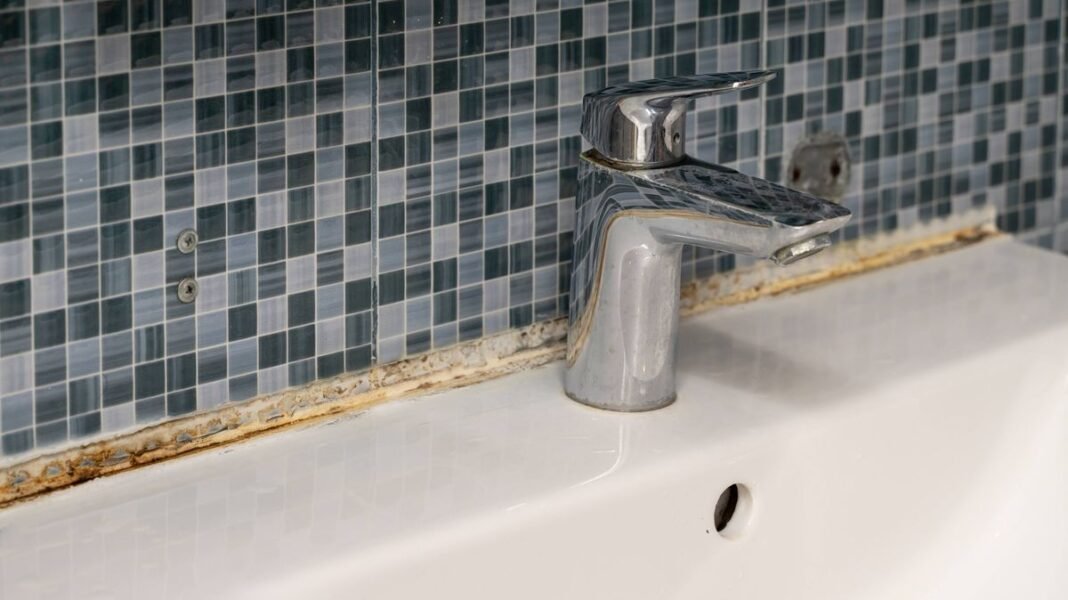

In the ongoing battle to maintain a clean bathroom, the persistent issue of mould growth in damp areas like showers and baths remains a challenge. While wiping down the shower after every use is impractical, neglecting this can lead to unsightly mould forming between tiles and on silicone sealants, giving the bathroom a neglected appearance. While bleach may seem like a go-to solution, a cleaning expert has cautioned against its use for shower mould.
Anna Louisa at Home, a prominent figure on social media, recently shared alternatives to bleach for tackling shower grout and silicone sealant mould effectively. She emphasized the limitations of bleach, stating that while it can eliminate mould, it fails to kill the spores, allowing the problem to resurface. Moreover, the use of bleach on mould can produce harmful gases.
Instead, Anna recommends a safer and more efficient approach using hydrogen peroxide and tea tree oil. By combining one cup of 3% hydrogen peroxide with one teaspoon of tea tree essential oil in a spray bottle and applying it generously to mouldy areas, one can effectively address the issue. After allowing the solution to sit for at least an hour, the mould should disappear upon cleaning.
For those preparing the solution in advance, Anna suggests storing it in a dark bottle to prevent hydrogen peroxide decomposition due to light exposure. Additionally, she advises wearing gloves during the treatment process and thoroughly washing hands afterward to ensure safety.
By following these alternative methods, individuals can effectively combat shower mould without resorting to bleach, ensuring a cleaner and safer bathroom environment.