
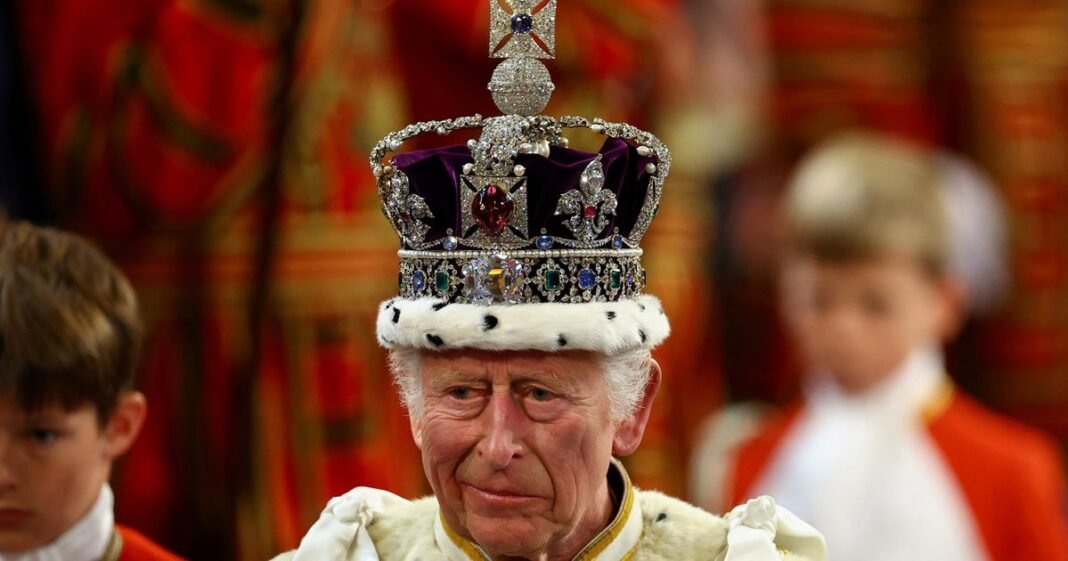

Inquiries about the purpose of the Royal Family often lead to the assumption that their primary role is to attract tourists. Despite the unlikely prospect of encountering royalty, tourist destinations like Versailles continue to draw crowds, hinting at a fascination with regal history. The idea of improving tourism experiences by allowing access to royal chambers is not uncommon, as seen in feedback on popular review platforms.
Constitutional experts may elaborate on the monarch’s ceremonial duties, such as assenting to laws and leading the Church of England. These aspects of royal responsibilities can be met with mixed sentiments from the public. The perception of the Royal Family being a cost-effective institution, with minimal financial burden on taxpayers, is a narrative that some defend ardently, emphasizing the entertainment value derived from royal engagements.
In a more personal context, Prince Andrew’s living arrangements have recently come under scrutiny, particularly his occupancy of a sizable estate without apparent financial means. Questions surrounding his rent obligations and lifestyle choices have sparked debates on the public’s role in supporting royal family members. The financial dynamics within the royal household, including disparities in income sources among different royals, raise questions about transparency and accountability.
The complex financial structure of the Royal Family, coupled with the lack of detailed public disclosure, has fueled calls for greater transparency and oversight. Criticisms regarding taxpayer subsidies for certain royals and the perceived lack of financial accountability highlight the need for clearer guidelines and scrutiny. The exemption of the Royal Household from certain transparency laws and the limited public access to royal financial records underscore a broader need for reform and modernization in the governance of royal affairs.
Suggestions for increased public scrutiny and adherence to ethical standards akin to those expected of public officials have been proposed as a means to address the opacity surrounding royal finances. Calls for a more open and accountable royal institution, aligned with contemporary standards of governance and public service, reflect a growing demand for reform within the monarchy. Balancing tradition with modern expectations, including more transparent financial practices and adherence to ethical guidelines, is essential for ensuring continued public support and relevance of the monarchy in contemporary society.