
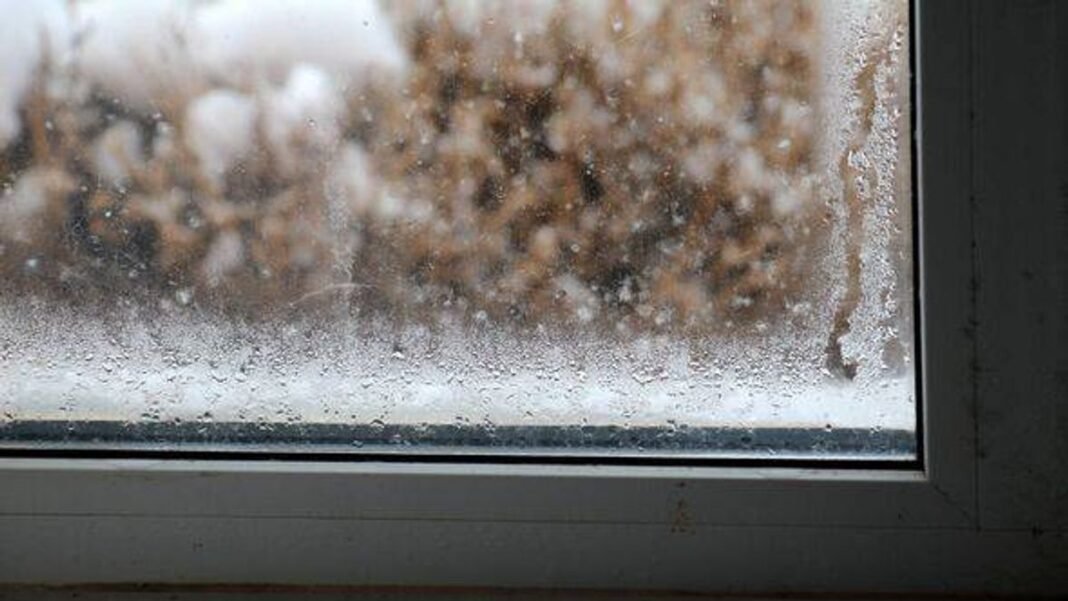

Mold growth around windows is a common occurrence, especially in the moist and cool conditions often seen in the autumn season. This issue is typically caused by condensation, and taking steps to manage condensation can help prevent mold from developing.
While some individuals may resort to using bleach to address window mold, Jade Oliver, a showroom stylist at Express Bi-Folding Doors, advises against it. According to Oliver, bleach is ineffective in eliminating mold, whereas white vinegar, when left for approximately an hour with a cloth soaked in warm, soapy water, can effectively clear mold.
White vinegar, when used undiluted directly from the bottle, has proven to be a potent mold remover. However, it is essential to avoid using vinegar on surfaces like aluminum, cast iron, waxed wood, or natural stone due to its acidic properties, which may cause damage.
When working with vinegar, it is advisable to wear protective gear such as non-absorbent gloves, safety goggles, and a face mask. Simply fill a spray bottle with undiluted white vinegar, spray the affected area, and let it sit for at least an hour without scrubbing or rinsing to allow the vinegar to penetrate the mold thoroughly.
After the initial application, use a brush or scouring pad to scrub the affected area thoroughly, followed by rinsing with warm water as recommended by Nottinghamshire Live. To ensure complete elimination of mold spores and prevent their return, spray the area with vinegar after cleaning and rinsing.
The strong smell of vinegar will dissipate naturally within a few hours, so there is no need to worry about lingering odors. For windows covered in grime, it is advised to refrain from using soapy water, as it can lead to dust adhering more firmly to the glass.
Instead of soapy water, Jade suggests using a duster to remove dust particles and then gently vacuuming with a bristle attachment to prevent surface scratches. In harder-to-reach spots, Jade recommends using a feather duster to tackle corners and rims effectively.