
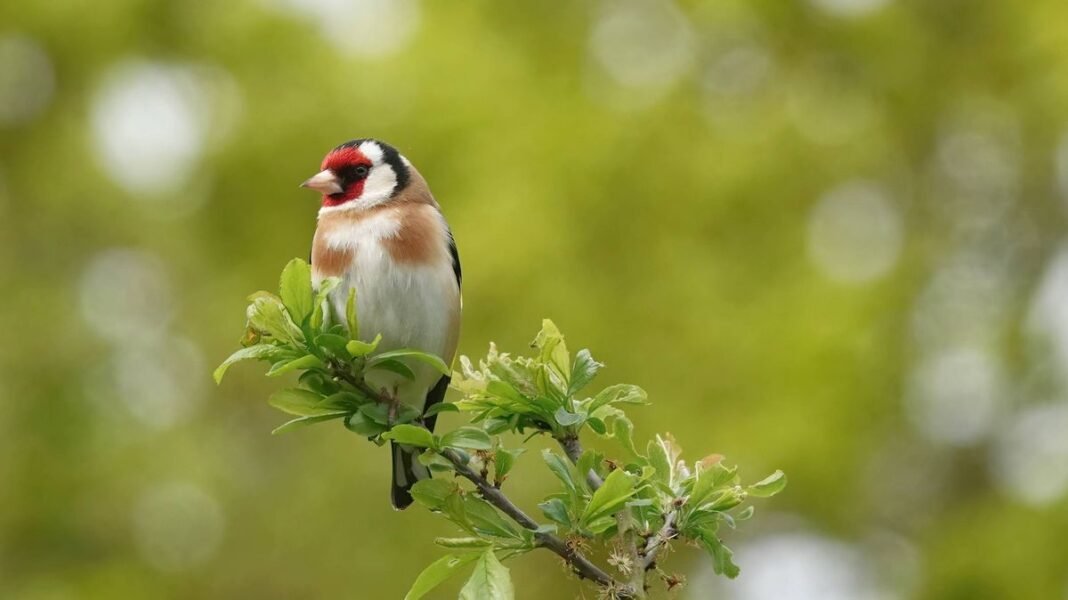

Goldfinches, with their vibrant red faces and golden wings, are a captivating sight as they gather in gardens, creating a lively atmosphere with their constant chirping. In the past, spotting these colorful birds required venturing into remote rural areas, but their behavior has gradually changed over time.
Due to diminishing natural food sources, changes in farming practices, and shifts in climate, more goldfinches now seek food in gardens, especially during colder seasons. To attract these beautiful birds to your outdoor space, cultivating a plant they favor is highly effective.
According to the Scottish Wildlife Trust, goldfinches particularly enjoy feeding on teasel during autumn and winter. The organization explains that the dry seed heads of teasel provide a perfect food source for goldfinches, as their slender beaks are adept at extracting the tiny seeds from the plant’s spikes.
Teasel is beneficial for garden wildlife year-round. Its purple flowers attract insects in the summer, while the seed pods serve as food for birds in the winter. Additionally, the structure of the plant collects rainwater, providing a small water source for birds and insects on dry days.
For those eager to see goldfinches sooner, the Scottish Wildlife Trust recommends installing a nyjer feeder in the garden. This feeder dispenses tiny nyjer seeds that goldfinches adore, but it requires small holes to prevent seed spillage.
Described as architecturally striking, teasel can grow up to two meters tall by its second year, attracting bees, butterflies, and other insects with its flowers, and providing a food source for seed-eating birds like goldfinches.
Teasel thrives in sunny or partially shaded areas and various soil types, including heavy or damp soil. Planting seeds directly in the garden or starting them in pots before transplanting them is recommended. Experts suggest spacing the plants 45-60cm apart, watering them until established, and thinning out young plants as needed due to their self-seeding nature.
Teasel requires minimal maintenance and can provide shelter for insects during winter. At the end of the season, the dried stems can be composted or used to create wildlife-friendly habitats.
Goldfinches are known to gather in large groups, called a “charm,” particularly after the breeding season, sometimes numbering in the thousands. By incorporating the right plants and feeders, your garden may become a favored spot for these delightful birds.