
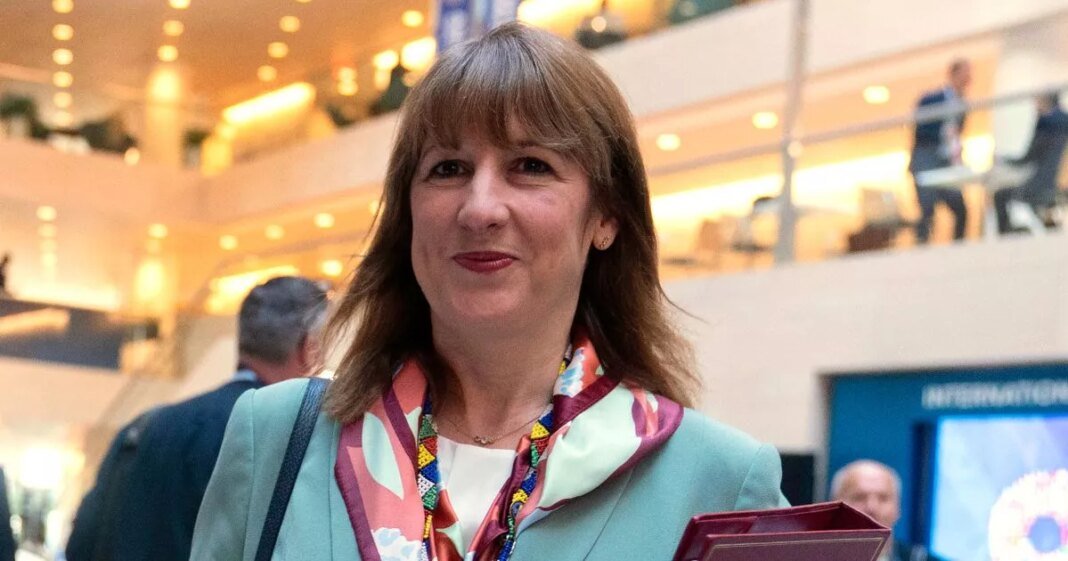

Labour’s commitment to not increase income tax remains firm, as emphasized by a senior minister amid speculations about a potential tax hike proposed by Rachel Reeves at the upcoming Budget. The party had pledged in the last General Election not to raise taxes on working individuals, including income tax, while in power. However, with a significant budget deficit of £20-30 billion to address, the Chancellor faces a critical decision-making moment.
One option being explored to address the deficit is the addition of 1p to the basic rate of income tax, estimated to generate approximately £8 billion in revenue. Furthermore, there are suggestions that higher rates of income tax, affecting individuals earning over certain thresholds, could be considered in the upcoming Budget.
Rachel Reeves has indicated a focus on increasing taxes for the wealthy to ensure a fair distribution of the tax burden. When questioned about the potential income tax adjustments, a Treasury spokesperson refrained from commenting on speculative changes to tax policies.
Labour Minister Nick Thomas-Symonds reiterated the party’s commitment to their manifesto pledges related to income tax, national insurance, and VAT. He emphasized the need to await the Budget announcement by Rachel Reeves before confirming any decisions, highlighting the party’s dedication to protecting workers’ incomes.
Rachel Reeves justified the party’s manifesto commitments by citing the challenging economic conditions faced by working people in recent years. The Chancellor has also underscored the significant impacts of Brexit and austerity on the UK economy, hinting at forthcoming candid assessments by the Office for Budget Responsibility ahead of the Budget presentation.
The Office for Budget Responsibility is expected to release updated economic forecasts alongside the Budget, detailing the potential productivity implications of the Brexit deal. The economic outlook will provide crucial insights into the government’s financial planning and policy decisions moving forward.