
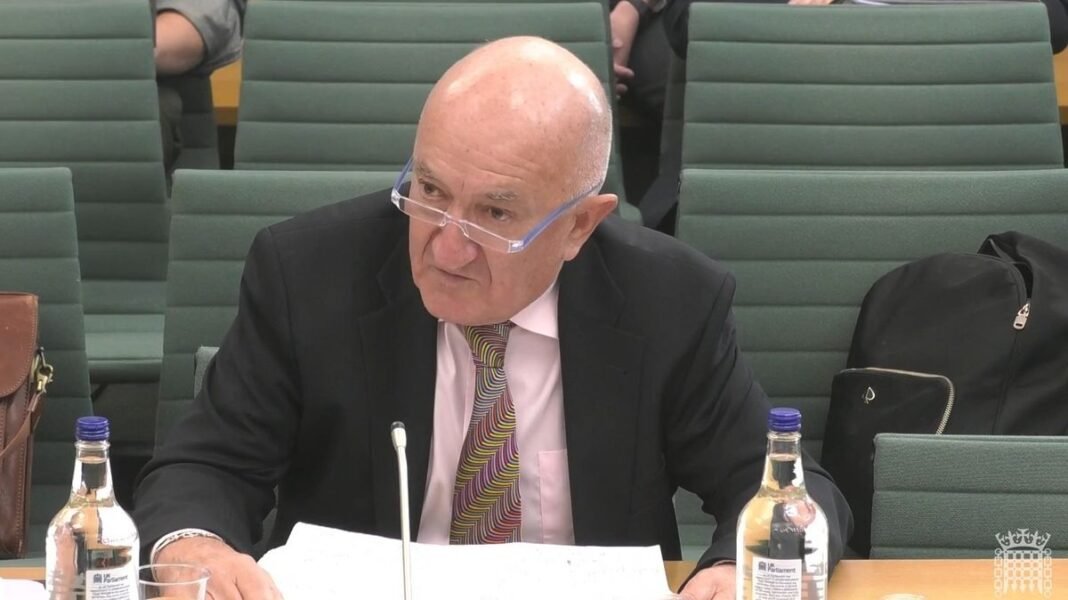

The co-founder of Paddy Power has criticized betting companies for luring inexperienced gamblers into addictive activities to boost their profits. Stewart Kenny, who was a board member for 29 years, claimed he left the company when it allegedly removed measures meant to assist gambling addicts.
During his testimony to the Commons Treasury committee, Kenny highlighted that bookmakers often offer free spins for online casino games shortly after account registration, likening it to a scenario where a bartender encourages a customer who ordered a light drink to have a strong one for free.
Advocating for measures to deter bookmakers from pushing customers towards more addictive gambling options, Kenny supported calls for increased taxes on gambling firms in the upcoming Budget. Research sponsored by the Betting and Gaming Council suggested that proposed tax hikes could lead to job losses and drive billions of pounds to the black market.
Kenny disputed claims made by the industry that higher taxes would steer individuals towards illicit betting operators, labeling it as fear-mongering. Carsten Jung from the Institute for Public Policy Research recommended higher taxes on gambling companies to offset the societal harm they cause due to high addiction rates, especially among young males impacting their finances and social interactions.
Jung emphasized the need for elevated taxes on remote gambling activities, proposing a significant increase in various gambling duties to generate substantial revenue. He suggested targeting online slot machines and casinos with the most substantial tax hikes while safeguarding traditional horse racing betting.
Additionally, Dr. Theo Bertram from the Social Market Foundation highlighted the surge in remote gaming during the COVID-19 pandemic, emphasizing the need for tax adjustments to mitigate the negative impacts of online gambling. MPs were informed that the average betting levy in the industry stands at 22%, with exemptions from VAT.
Responding to concerns raised, Grainne Hurst, the CEO of the Betting and Gaming Council, defended the industry by pointing out that the vast majority of customers engage with their products responsibly. She disputed claims of widespread social harm caused by gambling, stating that only a small percentage of customers face gambling-related issues.
Hurst warned that higher taxes could lead to reduced odds for bettors, potentially driving them towards illegal operators due to changes in consumer behavior.