
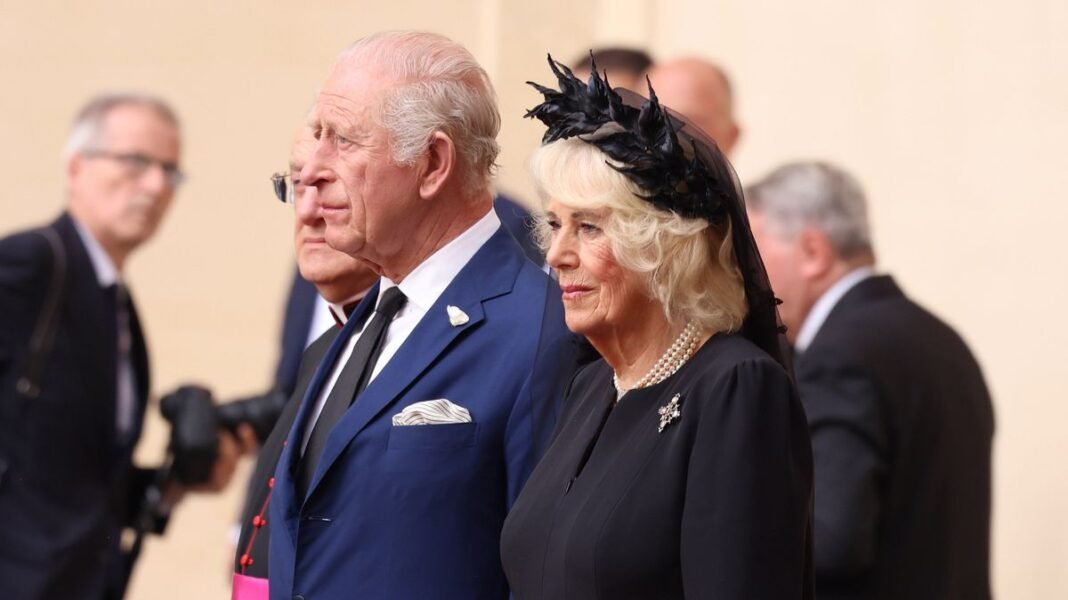

If the monarch were to create a plan for his lasting impact, fostering unity among people would likely be a top priority. Throughout his years as Prince of Wales, Charles has been a beacon of harmony, bridging communities, nations, social barriers, and religious differences.
This core principle has guided his role within the royal family and now as the head of the monarchy. However, it is regrettable that his recent visit to the Holy See and historic meeting with the Pope coincided with renewed scandal surrounding his brother, Prince Andrew.
Despite the disgrace brought upon the royal family by Andrew’s association with Jeffrey Epstein, Charles has extended multiple opportunities for his brother to rectify the situation and avoid further scrutiny. This leniency has allowed Andrew to maintain privileges that would have been revoked by many in similar circumstances.
With fresh allegations of misconduct from Virginia Giuffre, the attention has once again turned to the embattled prince and Buckingham Palace. While Andrew has consistently denied the accusations, recent revelations suggest discrepancies in his statements regarding his connections to Epstein post-conviction.
The lack of decisive action from Buckingham Palace regarding this troubling chapter has raised questions about the appropriate moral response. Andrew’s relinquishment of his royal duties, military titles, and charity roles, as well as his substantial settlement with Giuffre, have not quelled the ongoing controversy.
Andrew’s perceived nonchalance in the face of mounting scandals, including allegations of involvement with alleged Chinese spies, has only exacerbated the situation. Despite surrendering his titles, including the Duke of York, Andrew’s future remains uncertain, prompting concerns about potential repercussions.
As Prince William, the heir, assumes a greater role in upholding the monarchy’s reputation and values, the exclusion of Andrew from the heart of the monarchy under William’s reign seems inevitable. Charles, lauded for his integrity and efforts to promote reconciliation, contrasts starkly with his brother’s apparent disregard for the consequences of his actions.
In a different light, the article is portrayed as follows:
If the monarch were to create a plan for his lasting impact, fostering unity among people would likely be a top priority. Throughout his years as Prince of Wales, Charles has been a beacon of harmony, bridging communities, nations, social barriers, and religious differences.
This core principle has guided his role within the royal family and now as the head of the monarchy. However, it is regrettable that his recent visit to the Holy See and historic meeting with the Pope coincided with renewed scandal surrounding his brother, Prince Andrew.
Despite the disgrace brought upon the royal family by Andrew’s association with Jeffrey Epstein, Charles has extended multiple opportunities for his brother to rectify the situation and avoid further scrutiny. This leniency has allowed Andrew to maintain privileges that would have been revoked by many in similar circumstances.
With fresh allegations of misconduct from Virginia Giuffre, the attention has once again turned to the embattled prince and Buckingham Palace. While Andrew has consistently denied the accusations, recent revelations suggest discrepancies in his statements regarding his connections to Epstein post-conviction.
The lack of decisive action from Buckingham Palace regarding this troubling chapter has raised questions about the appropriate moral response. Andrew’s relinquishment of his royal duties, military titles, and charity roles, as well as his substantial settlement with Giuffre, have not quelled the ongoing controversy.
Andrew’s perceived nonchalance in the face of mounting scandals, including allegations of involvement with alleged Chinese spies, has only exacerbated the situation. Despite surrendering his titles, including the Duke of York, Andrew’s future remains uncertain, prompting concerns about potential repercussions.
As Prince William, the heir, assumes a greater role in upholding the monarchy’s reputation and values, the exclusion of Andrew from the heart of the monarchy under William’s reign seems inevitable. Charles, lauded for his integrity and efforts to promote reconciliation, contrasts starkly with his brother’s apparent disregard for the consequences of his actions.