

Painful price increases at gas stations are the most immediate consequence of unfolding events in the Middle East. The average cost of petrol has risen by nearly 2.5p per liter and diesel by over 3p since Saturday. Some areas have witnessed an astonishing 11p increase per liter, leading to a rush of drivers to refuel as a precautionary measure.
The price of oil has surged to over $82 per barrel, prompting warnings from the AA about inevitable pump price hikes in the upcoming weeks. Predictions suggest prices could rise by 5p to 10p per liter in the near future. While the recent price hikes stem from a period of low fuel costs, the situation hinges on developments in the Gulf and the duration of any potential conflict.
The closure of the critical Strait of Hormuz, responsible for shipping approximately a fifth of the world’s oil and gas, has caused market panic. This closure has disrupted around 14 million barrels per day of supplies, although immediate concerns about oil supply are alleviated by existing large stockpiles. However, if these reserves deplete, oil prices could spiral upward.
Currently, there are about 60 days’ worth of oil reserves available. A decrease in these reserves, even to 55 days, could trigger significant price increases. Higher fuel prices not only affect consumer confidence and household budgets but also impact prices in retail stores due to the sensitivity of half of consumer goods to energy prices, including food and transportation costs.
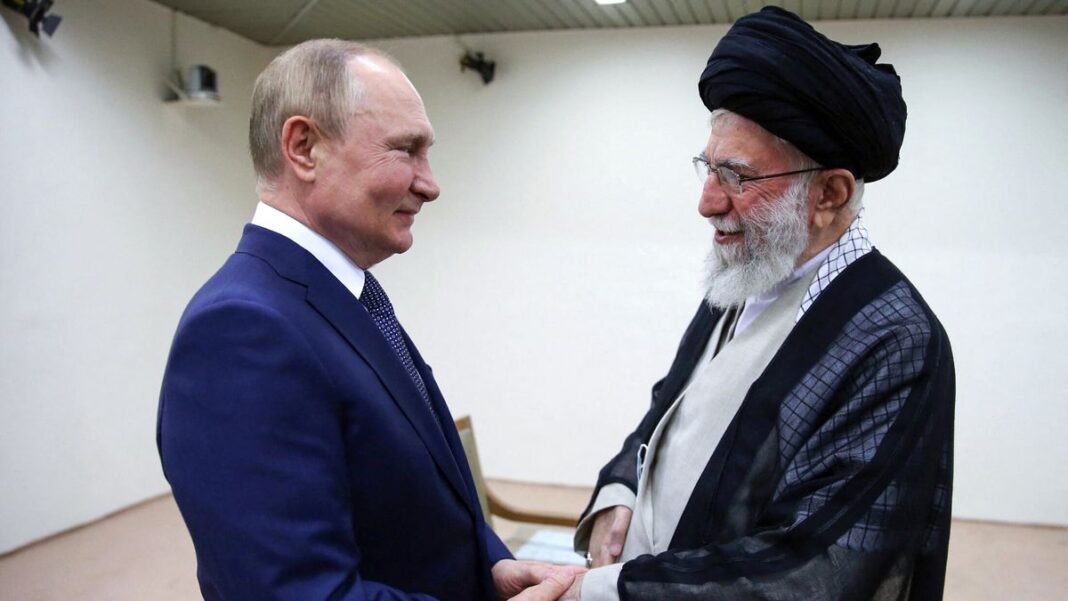
While households face financial challenges, certain entities benefit from the escalating fuel prices. Shares of oil giants like BP and Shell have surged following the recent events. In an unexpected turn, Russia stands to gain economically from the crisis as the redirection of oil supplies could lead to increased purchases of Russian oil, consequently boosting President Putin’s finances amid the ongoing conflict in Ukraine.