
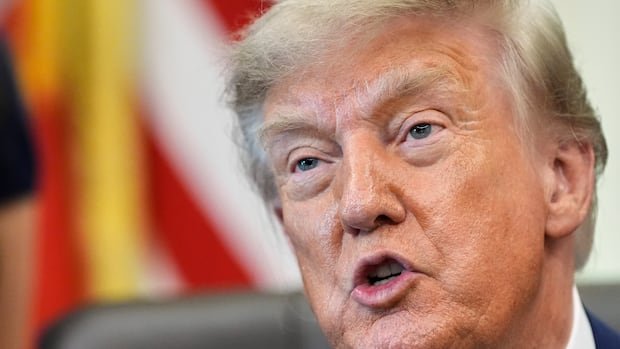

Four U.S. human rights organizations have taken legal action against the Trump administration for imposing sanctions on the International Criminal Court (ICC), arguing that the sanctions are illegal. The lawsuit was filed by the American Friends Service Committee, the Center for Constitutional Rights, Human Rights Watch, and the Open Society Institute in the Southern District of New York.
The lawsuit accuses President Trump of overstepping his authority by issuing an executive order in February 2025 that allowed for sanctions against ICC personnel, as well as foreign individuals or entities supporting the court’s activities. These sanctions were imposed following the ICC’s issuance of arrest warrants in late 2024 for Israeli Prime Minister Benjamin Netanyahu and former defense minister Yoav Gallant for alleged crimes in Gaza, which Israel has refuted.
The plaintiffs contend that the sanctions have impeded their ability to conduct human rights and legal work, violating their constitutional rights, including freedom of speech. Human Rights Watch’s international justice director, Liz Evenson, expressed concern over the Trump administration’s actions, accusing it of undermining the rule of law and human rights protection.
In response to inquiries about the lawsuit, a White House official criticized the ICC, alleging politicization and unwarranted claims of authority over U.S. and allied nationals. The U.S. government has intensified efforts to counter the ICC, citing concerns about threats to American sovereignty.
Separately, advocacy groups have challenged the Trump administration’s sanctions on the ICC, arguing that they infringe on freedom of speech and stifle advocacy for Palestinian rights. Additionally, sanctioned ICC judges, including Kimberly Prost from Canada, filed a lawsuit asserting that the sanctions are an unlawful attempt to influence their judicial independence.
In a related development, U.S. legal groups have requested a judge to clarify that the Trump administration cannot restrict birthright citizenship, following the administration’s executive orders seeking to limit citizenship rights. Despite the Supreme Court’s rejection of attempts to deny citizenship to certain groups, concerns persist over potential executive overreach regarding citizenship issues.