
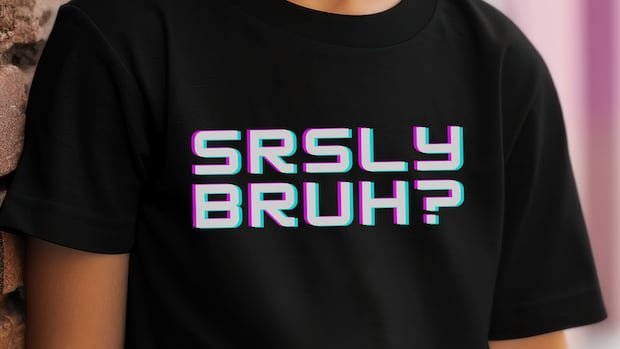

After receiving an email from Etsy informing him that 11 of his T-shirt designs featuring the slang term “bruh” were removed due to a trademark violation, Sam Joseph Karam expressed immediate skepticism. Karam, the owner of Customized Designs, an apparel company in the United States, noticed the unusual number of listings taken down, which led to a significant drop in sales following the removal of his Star Seller badge by Etsy.
The trademark infringement complaints were filed by Malik Yawar Abbas, the holder of the Canadian trademark for “bruh.” Karam and other Etsy sellers reported having their items removed from the platform due to complaints from Abbas, who is accused of “squatting” on the trademark to profit from licensing the word rather than producing his own products.
The Canadian Intellectual Property Office (CIPO) issued a trademark for “bruh” in July 2025, allowing its use on various clothing items. Another trademark for the same term was recently granted to Abbas for advertising restaurant services. However, the CIPO declined to comment on the specifics of the “bruh” trademark application.
Karam discovered Abbas’ website, which focuses on the protection and licensing of the “bruh” trademark, showcasing potential commercial uses of the brand but not offering any clothing for sale. Abbas demanded $1,000 from Karam to withdraw the trademark complaints, a request that Karam refused, citing concerns about trademark squatting.
In response to the takedown requests, Karam is contemplating legal action to challenge the trademark’s validity based on bad faith. Under Canadian trademark laws established in 2019, trademarks filed in bad faith can be invalidated. However, the outcome of such cases remains uncertain as this aspect of the law is still relatively untested.
Trademark experts explain that while common terms and pop culture phrases can be trademarked, the context matters in determining infringement. The use of “bruh” on clothing items on Etsy might not necessarily constitute infringement, depending on how the trademark is utilized.
Despite Etsy’s policy of removing items upon receiving infringement notices, concerns have been raised about the lack of an appeals process for sellers affected by trademark takedowns. Experts suggest that tighter regulations and improved mechanisms for challenging potentially bad-faith trademarks are necessary to address such disputes and protect small businesses from trademark over-enforcement practices.
In conclusion, the case involving the “bruh” trademark on Etsy highlights the need for clearer guidelines and enhanced safeguards to prevent trademark squatting and ensure fair treatment for sellers facing trademark-related challenges on online platforms.