
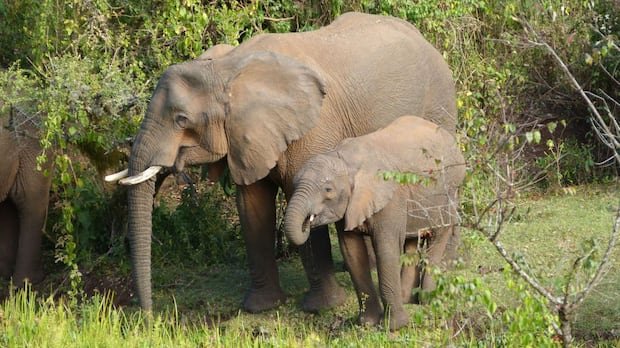

In a recent interview, scientist Elodie Freymann discussed intriguing observations of African elephants in Kenya’s Mount Elgon region. Reports from local wildlife scouts and community members revealed instances of elephants engaging in self-medication behaviors. Freymann, co-author of a newly published study in the journal Nature, highlighted the intelligence and complexity of elephant societies, emphasizing the importance of understanding the diverse range of medicinal plants elephants utilize in the wild.
The study, based on insights from long-time community members who have interacted closely with elephants, identified several dozen medicinal plants commonly used by the elephants. While the findings suggest a sophisticated level of self-care among elephants, researchers caution that further investigation is necessary to conclusively prove intentional self-medication.
Freymann emphasized the significance of incorporating local knowledge into scientific research, underscoring the need to value and amplify indigenous perspectives. Although the study provides a foundation for future research, experts like elephant ecologist Chase LaDue stress the importance of additional evidence to confirm the purposeful nature of elephant behavior towards medicinal plants.
While acknowledging the preliminary nature of the study, Freymann outlined plans to utilize camera footage to better understand elephants’ interactions with medicinal plants. If confirmed, elephants would join a growing list of animals, such as chimpanzees and other great apes, that exhibit self-medication behavior. The study underscores the vital role of biodiversity conservation in safeguarding animals’ access to natural medicines in a rapidly changing environment.