
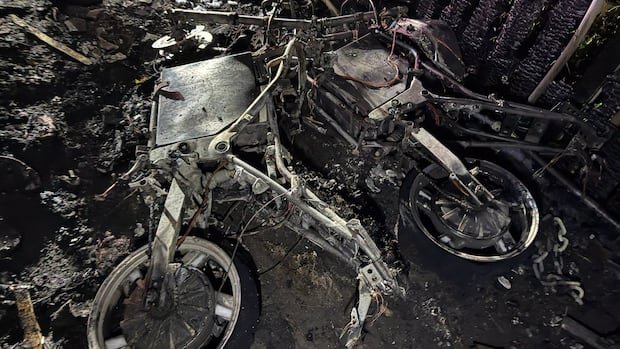

Firefighters have expressed concerns over lithium battery fires, which are known to be hot, fast-burning, and difficult to put out. Recent incidents involving e-bikes in residential settings in Toronto and Peterborough, Ontario, as well as a significant fire at a solar farm in Prince Edward Island, have highlighted the risks associated with these batteries.
The safety issues surrounding lithium battery fires have prompted restrictions on electric bikes and cars in various buildings, public transport, and ferries. These restrictions have caused inconvenience for users who depend on these modes of transportation and have also raised doubts among some individuals considering switching to electric vehicles.
This week marks Fire Prevention Week, with a focus on lithium batteries as the central theme. The challenges posed by lithium battery fires and strategies to reduce the associated risks are under scrutiny during this period.
While Canadian fire departments do not consistently track lithium battery fires, estimates suggest that there were around 1,500 such fires across 600 communities in the country last year. These incidents are on the rise in tandem with the increasing prevalence of lithium battery-powered devices, particularly e-bikes and e-scooters.
Contrary to common devices found in households, electric vehicle (EV) and energy storage batteries undergo rigorous testing and incorporate safety features like temperature sensors and cooling systems. Statistics on EV fires in Canada are not readily available, but data from the U.S. indicates that such fires are rare compared to those in gas-powered vehicles.
Lithium battery fires are primarily triggered by damage or wear leading to a short circuit, overheating from improper charging, and exposure to external heat sources. These fires are known to burn hotter and faster than conventional fires, posing challenges for firefighters in terms of extinguishment and safety.
Efforts to reduce the risk of lithium battery fires include purchasing certified batteries with safety labels, charging devices properly, and recycling damaged batteries at designated drop-off locations. These measures aim to mitigate the dangers posed by lithium battery fires and promote fire safety practices in households and communities.