


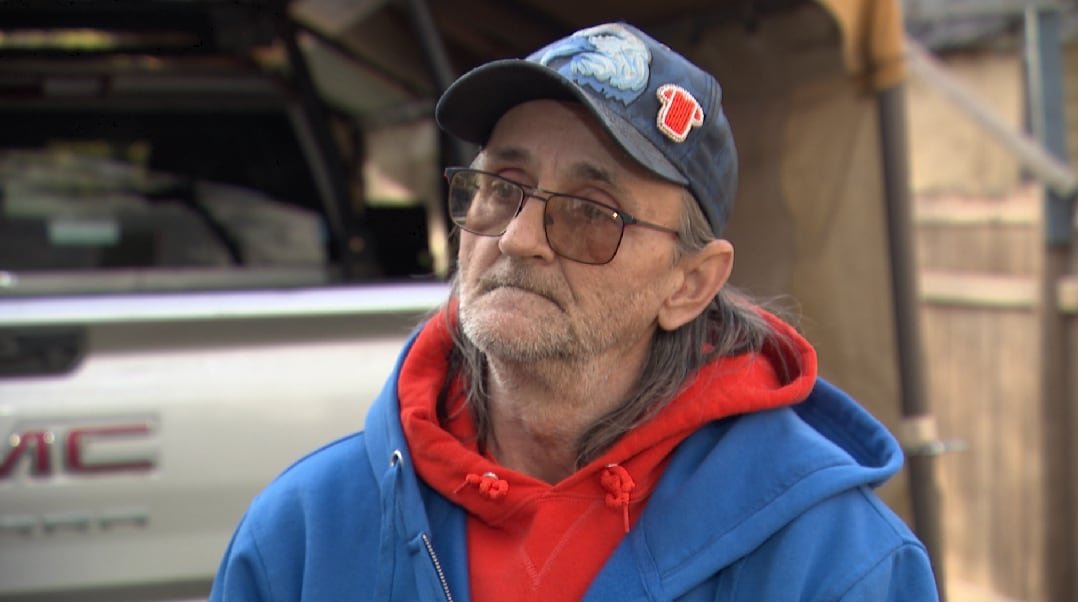
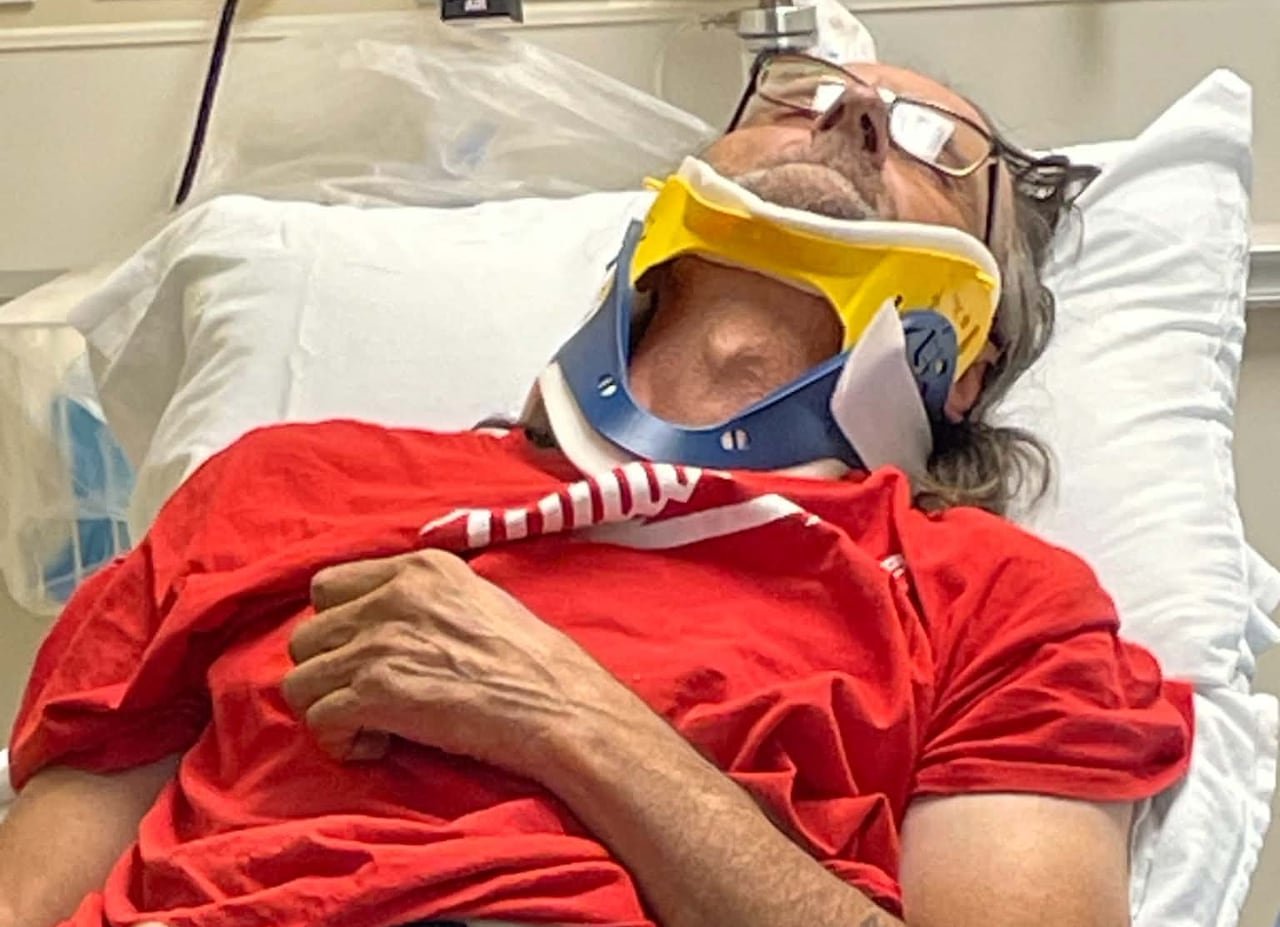
Robert Belley credits a set of metal bars on his truck with saving his life.
“I realized we hit something … I could still see the moose trying to walk across the highway. He was still alive and then after that, pain came crashing in,” Belley recounts.
During a fall evening in 2024 near Lanigan, he and his wife collided with a moose.
Now, two years later, he struggles to use his left hand, preventing him from working in construction and causing financial difficulties due to lost income.
Saskatchewan Government Insurance (SGI) is cautioning the public about the increased risk of wildlife collisions during this time of year, as more moose and deer are venturing onto roadways.
The provincial insurance company reports approximately 8,800 wildlife-related collisions each year in Saskatchewan, resulting in an average of 400 injuries and two fatalities over a five-year period.
Belley emphasizes the importance of taking wildlife collision risks seriously.
“It’s not a joke. It can seriously, permanently hurt you. It can actually kill you. People need to actually slow down on these highways,” he stresses.
Troy Corbett, SGI’s director of traffic safety community engagement, notes that fall is a peak period for wildlife collisions, particularly involving deer.
“It’s the time of year when they may be more active in their movements, possibly exploring routes they are less familiar with,” Corbett explains.
To prevent accidents, individuals are advised to exercise caution when wildlife activity is high, reduce speed, watch for signs of animals near roads, and use high beams when necessary.
“If a collision is unavoidable, we recommend remaining calm, reducing speed, and steering away from the animal,” Corbett advises.
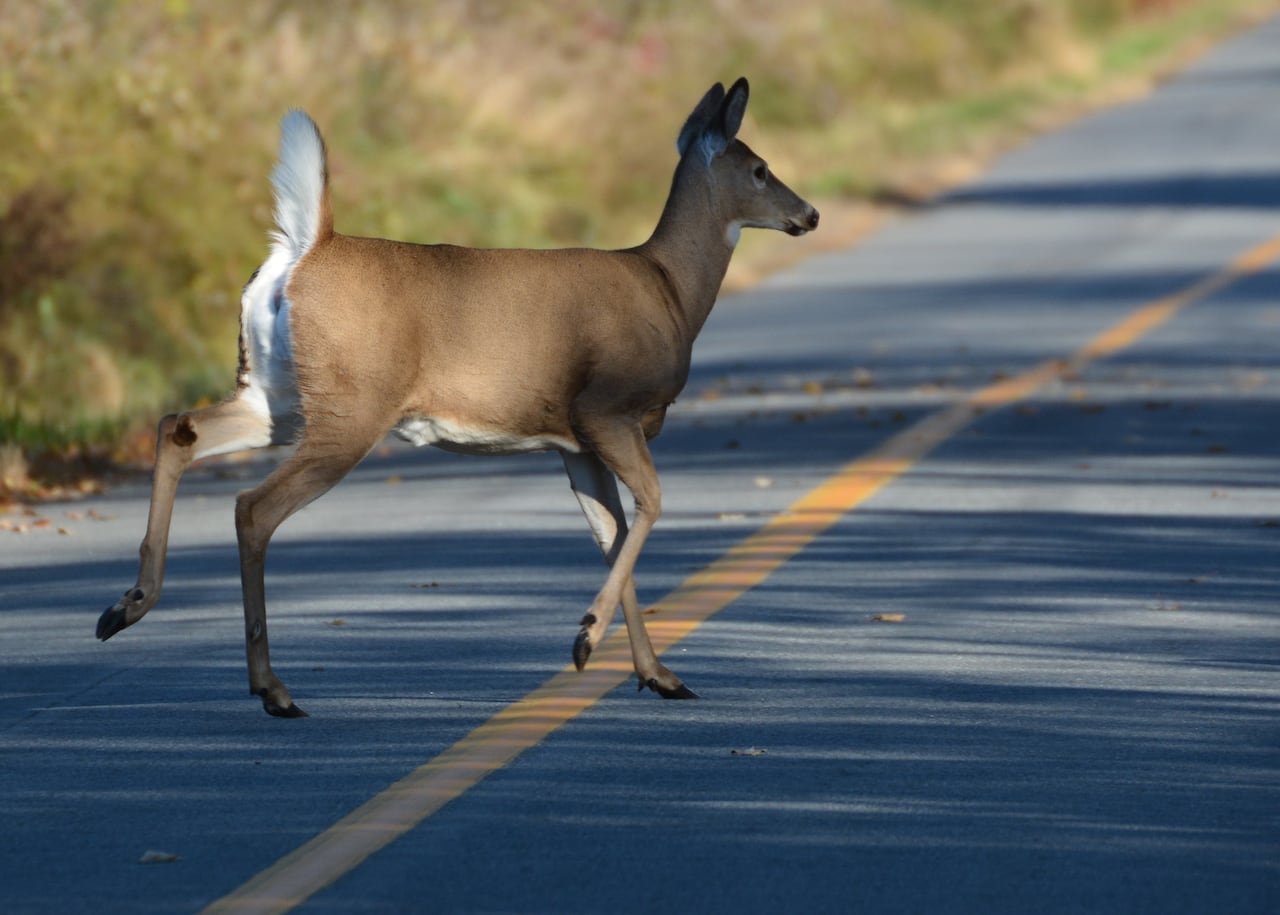
SGI also recommends steering toward the animal’s point of origin rather than its current direction and exercising extra caution during dawn and dusk when visibility is reduced due to glare.
Deer and coyotes are the most commonly struck animals, according to a rescuer
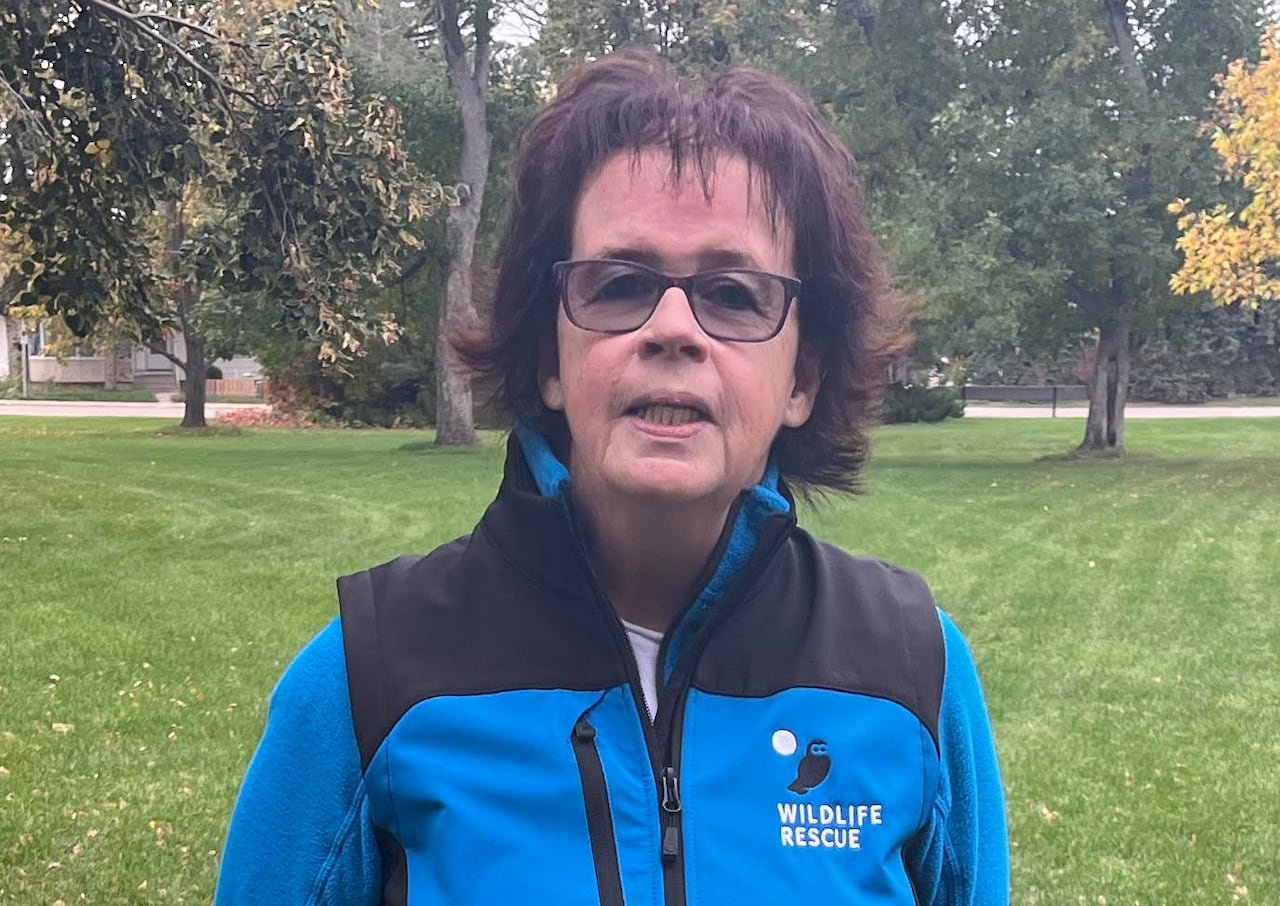
Bonnie Dell, executive director of the Wildlife Rescue Society of Saskatchewan, witnesses the impact of wildlife collisions firsthand.
Years ago, she coordinated the rescue of an adult coyote hit by a vehicle outside Regina at night.
“[The driver] knew she hit something but didn