

In the world of prestigious dramas, the ongoing debate circles back to the eternal question: Is there still a need for yet another historical drama? Specifically, is another rendition of Jane Austen’s classic tale, “Sense and Sensibility,” necessary?
For those well-acquainted with director Ang Lee’s 1995 adaptation of “Sense and Sensibility,” the inquiry may seem pointed. Austen’s literary works have all made their way onto the silver screen, with “Sense and Sensibility” alone boasting at least five prior adaptations.
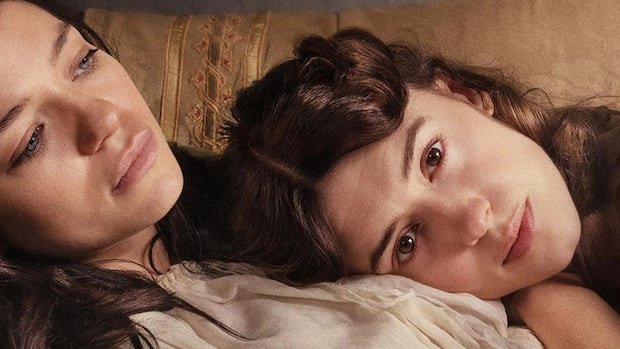
Now, stepping into the limelight is director Georgia Oakley’s rendition of “Sense and Sensibility,” set to premiere in theaters on October 16. Featuring Daisy Edgar-Jones as Elinor Dashwood and Esmé Creed-Miles as her sister Marianne, scripted by Diana Reid, this version diverges from trying to outdo the romance of the 1995 film.
Instead, the focus shifts towards exploring the profound sisterly bond between the Dashwood siblings, intertwined with the financial uncertainties that constrain their choices.
Following their father’s demise, the Dashwood estate transitions to their half-brother, leaving the women with limited financial stability and compelling them to relocate to a more humble abode. During Austen’s era, women’s fortunes heavily relied on the benevolence of male kin or the security of marriage, rendering the sudden loss of status and stability particularly precarious.
The film’s visual narrative mirrors this transition: moving away from the refined opulence of drawing rooms to the rugged countryside, amidst inclement weather, mud, and untamed fields. Engaging in gardening, lengthy walks, beach sprints, and pond wading, Elinor finds solace in sketching and skipping rocks, while Marianne often lounges in fields, gazing at the sky.
This rawer backdrop accentuates their vulnerability, both physically and financially, while highlighting their shared experiences. Elinor’s composure masks her profound emotions, contrasting with Marianne’s openness that leaves her susceptible to heartache. Throughout the narrative, circumstances compel each sister to empathize with the other’s viewpoint.
“The sisters are the focal point of the love story,” remarked Edgar-Jones regarding Oakley and Reid’s direction. She expressed effortless collaboration with her longtime friend Creed-Miles, emphasizing how their camaraderie enriched their portrayals.
The male characters in the new adaptation offer a departure from the established archetypes in Lee’s 1995 version. Herbert Nordrum, portraying Colonel Brandon, opted for an awkward and enigmatic portrayal, focusing on the character’s internal emotional turmoil. This stands in stark contrast to Alan Rickman’s performance in 1995, which imbued Brandon with gravitas and a silent yet profound devotion to Marianne.
In the 2026 rendition, Frank Dillane, embodying John Willoughby, sought to highlight Willoughby’s endearing traits while acknowledging his flawed actions. Dillane aimed to depict Willoughby as a multifaceted young man prone to errors and falling in love, juxtaposing the character’s grand romantic gestures with modern-day terms like “love bombing” and “ghosting.”
While Lee’s rendition exudes opulence and grandeur, Oakley’s adaptation takes on a quieter, more grounded approach. It refrains from supplanting its predecessor, instead pondering the contemporary relevance of these timeless narratives.
Jenner underscores the enduring appeal of Austen’s characters, emphasizing the pursuit of happiness without compromising one’s essence. Austen’s stories, she believes, transcend generations and aesthetics, offering a blend of romance, friendship, family, community, and the quest to define personal happiness.
In a post-pandemic world, there emerges a yearning for a return to nature and simple pleasures, seeping into the visual aesthetics of modern adaptations. Austen’s narratives encapsulate not just romance but also the essence of friendship, family ties, and the arduous journey of self-discovery.
The question lingers: Does the world truly require another rendition of “Sense and Sensibility”? Audiences may discover that the answer lies not in surpassing prior versions but in the timelessness of Austen’s tale, inviting a fresh perspective and interpretation.