

Alberta’s new Progressive Tory Party has officially put forward its first candidate and is preparing to participate in the upcoming Calgary-Shaw byelection. The party, under the leadership of Airdrie-Cochrane MLA Peter Guthrie, underwent a name change last year when Guthrie rejuvenated the inactive Alberta Party. Having transitioned from a UCP MLA and cabinet minister, Guthrie now serves as a Progressive Tory member in the Alberta legislature.
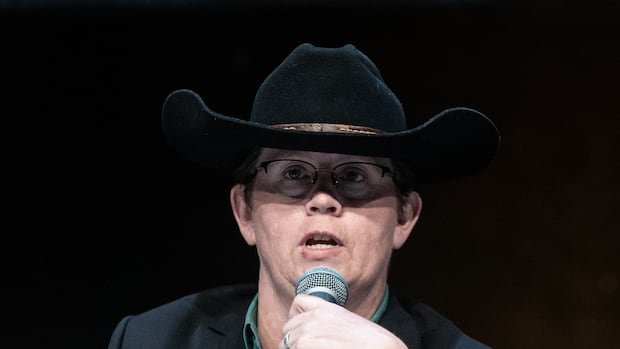
Bonnie Critchley, a retired member of the Canadian Armed Forces who contested against Pierre Poilievre in the federal byelection in Battle River-Crowfoot in August 2025, has been nominated as the Progressive Tory candidate in the provincial Camrose constituency. Poilievre secured 81% of the vote in the federal byelection, with Critchley finishing second with 9.8% of the ballots.
Critchley mentioned in an interview with CBC News that she had not intended to reenter politics after the Battle River-Crowfoot byelection. However, she altered her plans following the UCP government’s swift passing of a bill to halt the teachers’ strike last fall, among other measures invoking the notwithstanding clause. Feeling compelled by public demand, Critchley, after discussions with Guthrie, reluctantly decided to contest in the 2027 provincial election.
Expressing her reluctance, Critchley emphasized her preference for a retired life, stating, “I would much rather be out riding my horse and doing retired veteran things.” Yet, she stressed the importance of addressing threats to Canadians’ rights and the necessity for action. Critchley highlighted the Progressive Tory Party’s commitment to introducing new accountability laws to hold politicians accountable for corrupt practices.
Guthrie’s efforts since January have focused on establishing political infrastructure such as constituency associations. With 30 associations already in place, the party aims to nominate more candidates in the following weeks. Their ultimate goal is to field a full slate of candidates in the fall 2027 provincial election and participate in the upcoming Calgary-Shaw byelection, triggered by the resignation of former UCP MLA Rebecca Schulz in May.
Despite concerns of potential vote-splitting favoring the NDP due to the emergence of a second conservative party, Guthrie and Critchley dismissed these fears. Guthrie argued that the creation of the UCP aimed to prevent a split on the conservative side, emphasizing the need for a more balanced approach in the political landscape.
Critchley confirmed her commitment to Alberta’s unity within Canada, believing that the majority of voters in Camrose share this sentiment, despite the vocal minority advocating for separatism. The Progressive Tories might draw votes from UCP candidates, impacting the electoral dynamics, according to some perspectives, while others suggest the NDP might face more competition from the new party.
Shannon Phillips, a former NDP MLA and cabinet minister, expressed doubts about the Progressive Tories’ positioning within the political spectrum and emphasized the importance of a clear party message beyond mere opposition to the UCP. Phillips advised the party to prioritize developing a distinct brand identity to effectively communicate with voters.
Amid skepticism about the Progressive Tories’ potential impact on Alberta’s political scene, Guthrie remains optimistic about the party’s prospects. Stressing the dynamic nature of politics, he asserted the party’s readiness to adapt and pursue their goal of assuming government responsibilities. Critchley echoed the sentiment, emphasizing the importance of voting for representation rather than against perceived threats.