
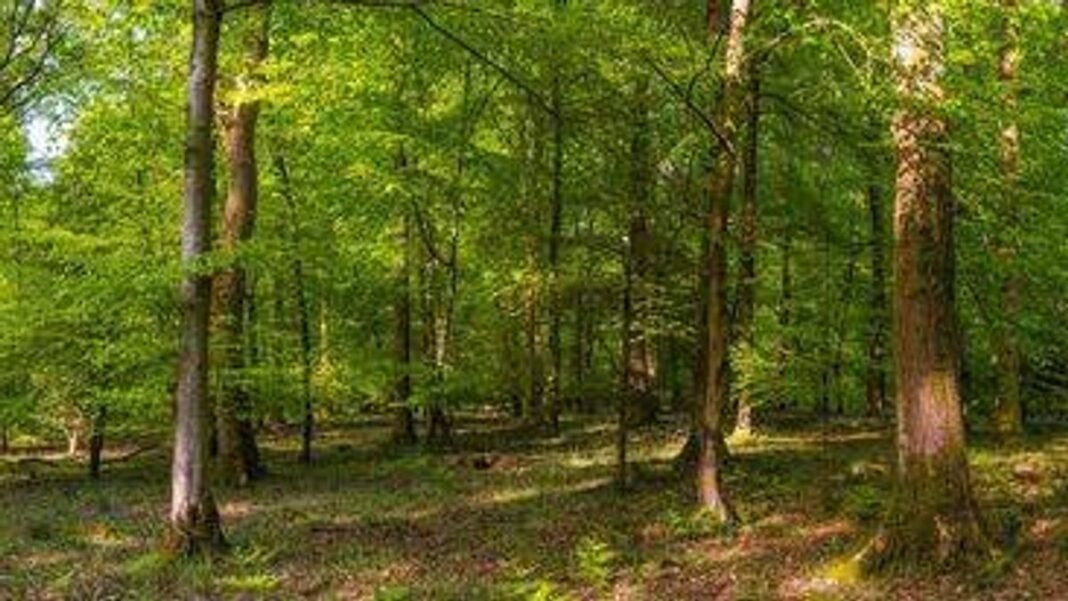

As the fall season sets in, it’s a great time to venture out and admire nature’s beauty. Engaging in long walks through the woods followed by a cozy meal at a local pub is a popular activity during these cooler months. However, amidst the picturesque UK woodlands, there are certain plants that can pose serious risks to both humans and pets.
Among these lurking dangers are highly toxic flora such as deadly nightshade and giant hogweed, scattered throughout the country. Recognizing these hazardous plants is crucial, according to a report by the Express.
David Denyer, a flower expert at Eflorist, has identified the 11 most dangerous plants that could jeopardize your health.
Deadly nightshade, also known as Belladonna, is one of the most poisonous flowers in the UK. Its glossy black berries may appear enticing but can be extremely harmful if ingested. Symptoms of deadly nightshade poisoning include hallucinations, seizures, and potentially fatal consequences due to its toxic components.
Foxgloves, known for their towering purple, pink, and white blossoms, can be fatal if consumed. Confusing them with comfrey, another tall plant with clustered flowers, can be dangerous, especially during autumn walks.
Monkshood, also known as wolfsbane, is infamous for its toxicity and should be handled with extreme care. Often mistaken for delphiniums, monkshood can cause irregular heartbeat and paralysis even from skin contact alone.
Autumn crocus, with its lilac blooms appearing around Halloween, contains colchicine, a poisonous substance that can lead to organ failure if ingested. Distinguishing it from less toxic spring crocuses or wild garlic is essential due to its hazardous nature.
Yew trees, despite their beauty, are highly poisonous, with every part of the tree containing toxins. Confusion with safe berries like guelder-rose or hawthorn is common, but the needle-like evergreen leaves of yew trees set them apart. Caution is advised, especially in gardens frequented by children or pets.
Being aware of these dangerous plants and understanding their characteristics can help prevent accidental exposure and ensure a safe outdoor experience.