
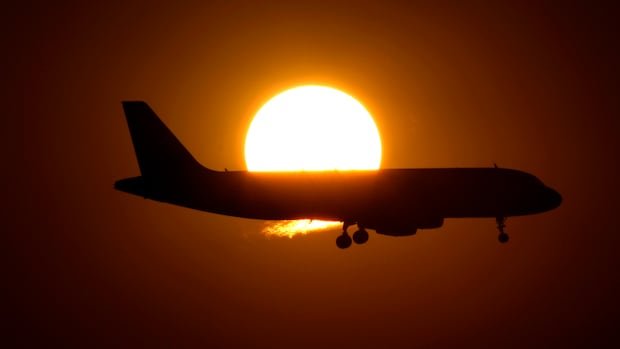

Flight attendants and pilots face a higher risk of radiation-related cancers compared to individuals working with radioactive materials, as per a recent study. Cosmic radiation originating from space, though limited on Earth’s surface, poses a greater exposure risk for individuals flying at high altitudes.
Previous studies hinted at increased cancer death rates among frequent flyers, particularly pilots and flight attendants. The latest research, published in JAMA Internal Medicine, examined national data from over 12 million death certificates, focusing on radiation-related cancers like leukemia, lymphoma, and skin, breast, and prostate cancers.
Among more than 500 professions analyzed, flight attendants had the highest percentage of radiation-related cancer deaths, followed by pilots. These occupational groups showed significantly elevated odds of dying from various radiation-related cancers compared to the general working population.
The study’s authors highlighted the exclusive exposure of aircrew members to cosmic ionizing radiation, UV-A radiation, and circadian rhythm disturbances from night-shift work and frequent time zone changes. They also challenged the belief that increased skin cancer risk among flight crews stemmed from sunny layovers, suggesting that cockpit exposure might be the primary factor.
Flight attendants had a 50% higher likelihood of dying from radiation-related cancers than the general workforce, while pilots had a 36% higher risk. Despite study limitations like unknown individual exposure levels and potential misclassifications on death certificates, the findings underscore the need to address radiation exposure risks for aircrews.