

A group of five former chairs from a committee advising the federal government on endangered species has released a public letter expressing alarm over proposed alterations to the Species At Risk Act. They assert that these changes could result in the deliberate extinction of endangered species in Canada. The legislation currently protects over 600 species, but the potential modifications being considered by the government could render the act ineffective, as stated in a recent press release by the scientists.
These former chairs, who were part of the Committee on the Status of Endangered Wildlife in Canada (COSEWIC), forwarded the letter to the federal government in the previous month. COSEWIC serves as an independent advisory body that evaluates species facing extinction and recommends their inclusion under endangered species legislation. By making the letter public, the scientists aim to prevent Canadians from inadvertently contributing to the intentional eradication of wildlife in the country.
The concerns raised in the letter coincide with the government’s review of comprehensive environmental regulatory reforms, including amendments to the Species At Risk Act. These changes could expedite the approval and construction processes for major projects.
Of particular significance are the proposed adjustments related to the “jeopardy tests.” These tests prevent the government from authorizing projects that could harm species listed under the act and their vital habitats if such actions endanger their survival. According to David Green, a former COSEWIC chair and biology professor at McGill University, these jeopardy tests play a crucial role in safeguarding endangered species, serving as a critical final safeguard for the most vulnerable creatures.
The potential modifications would grant the government the power to establish “federal economic zones” where industrial development could be pre-approved. Furthermore, the cabinet could fast-track the approval of pipelines before finalizing their routes and exempt them from federal impact assessments.
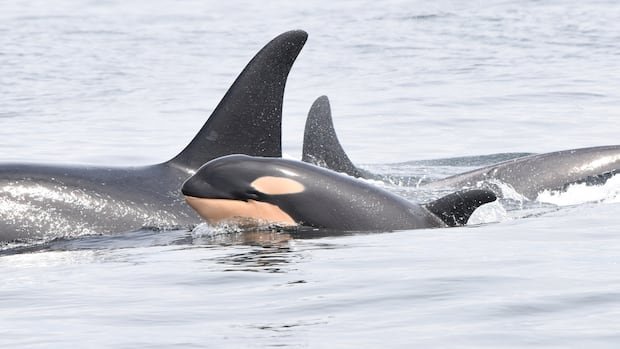
The scientists highlighted a specific concern regarding a proposed West Coast oil pipeline, slated as a project of national interest. This pipeline, which aims to transport around one million barrels of crude oil daily over approximately 1,250 kilometers, poses a significant threat to several species under the act, notably the southern resident killer whale and the Chinook salmon, the primary food source of the whales.
The scientists emphasized that the consequences of this pipeline on the killer whales could be catastrophic, potentially leading to the gradual decimation of the entire population due to increased tanker traffic noise and habitat destruction. They posed a critical question to Canadians, questioning whether they are willing to risk the unique killer whale population for the sake of another oil pipeline.
The proposed legislative changes have surprised experts like Green, who view them as undermining the integrity of the Species At Risk Act established by a previous Liberal government. Kathryn Harrison, a UBC professor specializing in climate and energy politics, expressed concerns about the far-reaching implications of Bill C-5 and other legislative amendments currently under consideration.
As of the time of writing, the scientists had not received a response from the government regarding their letter. The Privy Council Office affirmed the government’s commitment to species conservation under the Species at Risk Act, citing the need to expedite projects for economic growth and diversification in response to ongoing trade disputes with the U.S.
Despite the absence of an official government response, public feedback on the proposed changes is anticipated to be released before the end of summer. Following extended engagement with First Nations and environmental organizations, formal legislation is expected to be introduced after Parliament resumes in September. Green urged the government to carefully reconsider its stance, emphasizing the irreversible consequences of species elimination in Canada.