
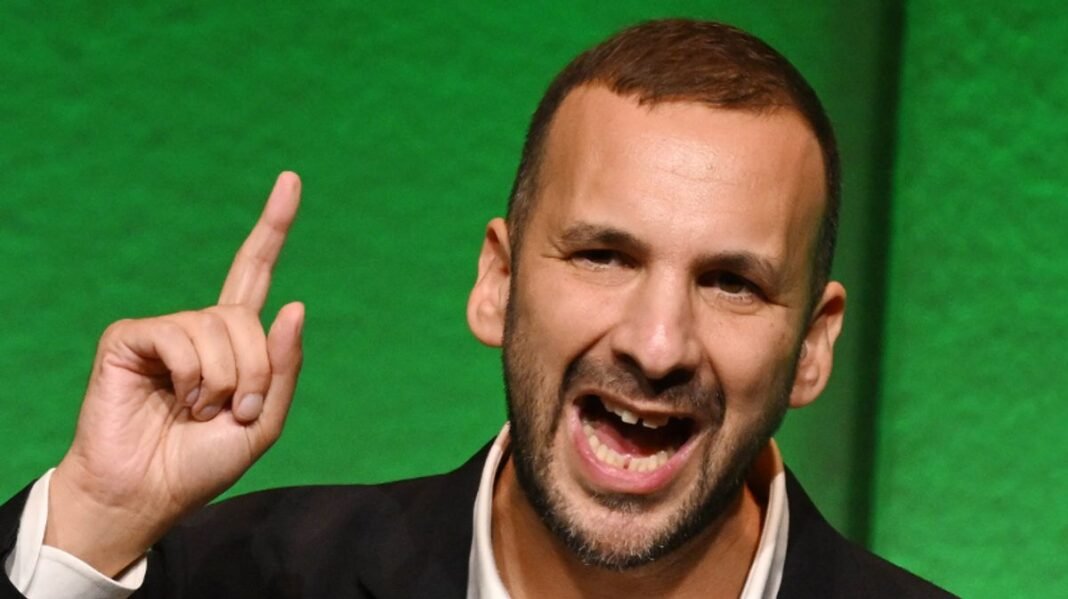

The Green Party’s new leader, Zack Polanski, presents a stark contrast to Nigel Farage. Described as a charismatic left-winger and “eco-populist,” Polanski has openly criticized Farage as a “fascist” and is determined to prevent the right-wing Reform UK from gaining power. Despite their opposing ideologies, both the Greens and Reform are gaining traction due to their effective use of social media, resonating with disenchanted voters.
Recent polls have shown the Greens surpassing other major political parties, reaching 17% support, trailing only behind Reform at 32%. This surge has unsettled traditional parties like Labour, struggling to regain trust after years of Conservative rule. The rise of non-traditional parties like the Greens is attributed to a growing anti-system sentiment among voters seeking change.
Polanski’s approach, focusing on progressive issues like climate change, has attracted a diverse audience, particularly among younger demographics and progressive activists. This shift poses a challenge for established parties, such as Labour, to balance progressive values with addressing conservative concerns like migration. Tactical voting strategies are being considered, with some voters potentially returning to Labour to prevent Farage from gaining power.
Amid these shifts, the importance of communicating a vision for a fairer society with robust public services is emphasized. Finding the right balance between progressive policies and addressing voter concerns is crucial for parties navigating this evolving political landscape. As the political landscape continues to evolve, parties must adapt to meet the changing needs and demands of the electorate.