
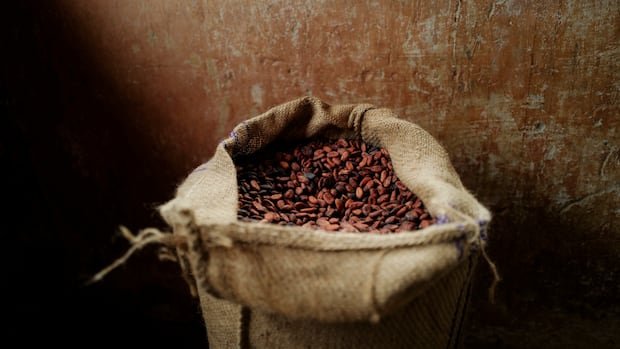

A recent peer-reviewed study highlights a lesser-known risk to cocoa production, emphasizing heavy rainfall over heat and drought as a primary climate threat. The surge in cocoa prices in recent years, with a tonne now priced at around $6,000 US, has been attributed to various factors, including heavy flooding in West Africa. Leslie Agyare, founder of Three Mountains Cocoa in Ghana, shared the challenges faced due to excessive rainfall affecting crop management and harvest.
The study, focusing on Ghana as the world’s second-largest cocoa producer, revealed that extreme rainfall during flowering significantly impacts yields more than temperature variations. The research also highlighted the increased risk of fungal infections in cocoa trees due to excessive rain. Furthermore, the study pointed out non-climatic risks such as aging trees and illegal mining as additional threats to cocoa production.
Experts suggest interventions like fungicide use and improved drainage to counter the spread of fungal diseases. However, infrastructure investments are deemed crucial by industry insiders like Agyare to address challenges faced during heavy rains. The study’s findings raise concerns about the future of cocoa farming in West Africa, with climate shocks making the profession less appealing and harder. Some experts even speculate on the possibility of chocolate producers shifting away from cocoa due to its vulnerability to climate change impacts.
Companies like Nestlé have already ventured into alternative chocolate production, partnering with cocoa-free chocolate startups to offer more resilient options like ChoViva, which uses sunflower seeds. Despite the recent spike in cocoa prices, experts warn that without significant changes, the livelihoods of cocoa farmers in West Africa remain at risk. The need for sustainable practices and fair pricing in the cocoa industry is emphasized to support smallholder farmers who have historically borne the burden of underpriced chocolate products.