
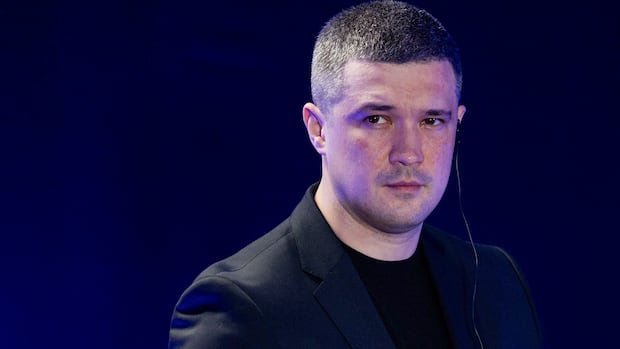

Ukrainian President Volodymyr Zelenskyy is facing renewed pressure to conduct wartime elections, despite the current prohibition on such elections due to martial law in Ukraine. Mykhailo Fedorov, the former defense minister, who was recently removed from his position, is advocating for the implementation of a mechanism that would enable Ukraine to resume its democratic processes amidst the ongoing conflict with Russia.
While the exact timing for potential elections remains unspecified, Fedorov’s stance has sparked discussions on the feasibility of holding elections during a prolonged period of warfare. The political dynamics surrounding these calls for change present a challenge that Zelenskyy cannot overlook, regardless of the immediate possibility of elections.
Tymofiy Mylovanov, a former Ukrainian government minister, highlighted the significance of Fedorov’s position in igniting internal political debates regarding the potential for future elections. However, the practicality of organizing elections amid the current war situation raises concerns among observers.
Before his dismissal, Fedorov, aged 35, was widely recognized as a progressive and technology-savvy member of Zelenskyy’s administration. His tenure as defense minister, which began in January, ended in July, triggering widespread protests demanding his reinstatement. Despite declining alternative government roles, Fedorov insisted on his commitment solely to the defense portfolio.
The appointment of Yevhenii Khmara as the new defense minister further solidified the government’s stance, with Ukrainian lawmakers formalizing the decision. However, the pressing question remains whether the challenging circumstances of the conflict with Russia allow for the practical execution of elections.
Dmytro Koziatynskyi, a combat medic and advocate for Fedorov’s reinstatement, expressed doubts about the logistical feasibility of conducting elections amidst the ongoing military operations. Lesia Bidochko, a policy fellow, echoed similar sentiments, questioning the realism of organizing elections with millions of Ukrainians displaced or serving in the military.
The debate on wartime elections continues to unfold, with varying opinions on the practicality and implications of such a move. As the discussions persist, Zelenskyy’s response to Fedorov’s call remains pending, with considerations of national unity, external interference, and the evolving dynamics of the conflict with Russia shaping the discourse.