
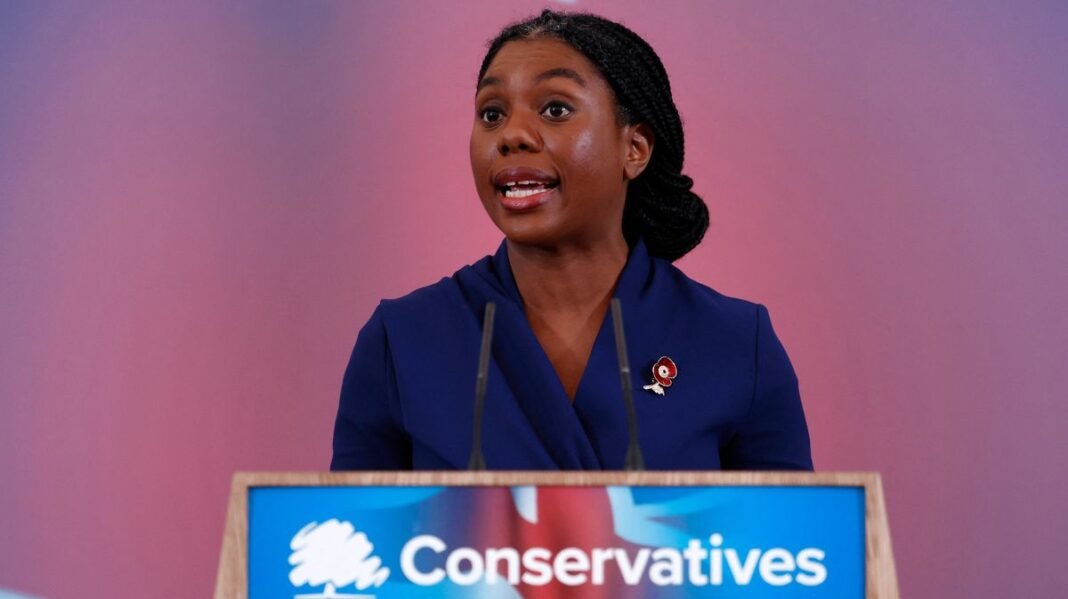

In the past year, the Conservative Party has faced challenges and setbacks. Following a significant General Election defeat, Kemi Badenoch assumed leadership despite initial party preferences for James Cleverly. The party conference last month saw numerous empty seats, reflecting internal discontent and a trend of members shifting allegiance to Nigel Farage’s Reform UK.
The road to recovery for the Tories appears daunting as Keir Starmer identifies Reform as the primary opposition. Polls suggest that an implosion within Reform could be Badenoch’s best chance for political resurgence. Additionally, party rules now allow for a potential leadership challenge, adding pressure on the current leadership.
Public sentiment towards Badenoch remains mixed, with only a small percentage viewing her as a potential Prime Minister. While there is acknowledgment that the party’s state would likely be weak under any leader, there is a lack of significant progress in improving Badenoch’s public image.
Experts emphasize the need for Badenoch to distance herself from the past Tory administration and build a new reputation over time. Despite internal criticisms and doubts about future elections, some party members express cautious optimism about Badenoch’s potential to reconnect with voters, particularly on economic matters.
With speculation surrounding potential future leaders like Katie Lam, the party faces uncertainties as it navigates through challenging times. Year two of Badenoch’s leadership will be crucial in determining the party’s trajectory, highlighting the urgency for effective strategic changes and improvements.