
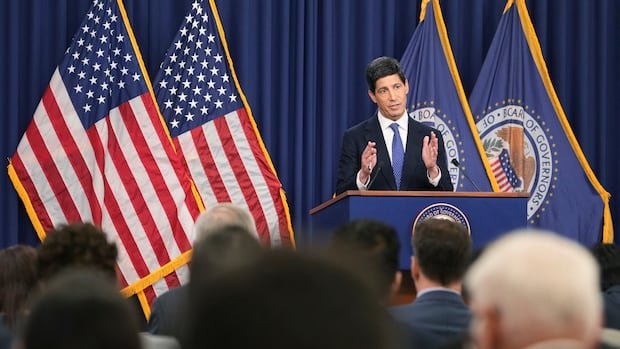

The U.S. Federal Reserve took action on Wednesday by increasing its benchmark interest rate for the first time since 2023 to combat persistent high inflation. This quarter-point hike pushes the Fed’s key rate to approximately 3.9 per cent, potentially leading to increased borrowing costs for American mortgages, auto loans, and credit cards. At a time when Americans are already grappling with elevated expenses for essentials like groceries, gas, and housing, affordability has become a central issue ahead of the upcoming midterm elections just seven weeks away.
In its latest quarterly projections, the Fed indicated that another rate hike is anticipated later this year, potentially raising the rate to 4.1 per cent. Fed Chair Kevin Warsh, appointed by U.S. President Donald Trump, highlighted that the economy has been gaining momentum since the decision to maintain rates in late July. Inflation has persistently exceeded the Fed’s two per cent target, with little indication of a decline.
Warsh emphasized the necessity of addressing the prolonged high inflation, stating, “The plain fact is that inflation is too high and has been for too long.” The unanimous support from Federal Reserve policymakers for the rate increase aims to expedite the return to the two per cent target.
The recent escalation in tensions between the U.S. and Iran, resulting in higher gas prices, played a role in the Fed’s decision to support rate hikes. Warsh has consistently emphasized the Fed’s commitment to curbing inflation by closely monitoring data trends.
Despite previous suggestions of potential rate cuts, Warsh’s approach has shifted towards combating inflation. The current challenges posed by geopolitical developments, such as the Iran conflict, have contributed to the Fed’s decision-making process. The U.S. Treasury Secretary Scott Bessent’s intervention in the bond market has raised concerns among investors and analysts about exacerbating inflation.
President Trump expressed continued confidence in Warsh, attributing challenges to external factors. The ongoing impact of the Iran conflict on gas prices threatens to sustain high inflation levels, as evidenced by a recent report showing core prices rising in August.
The rate hike in the U.S. does not automatically imply similar actions by the Bank of Canada, as noted by economists. While both countries face inflationary pressures, Canada’s economic conditions differ, with inflation hovering around three per cent in August. Canada’s economic weaknesses, including tariffs and elevated unemployment rates, mitigate the urgency for rate hikes compared to the U.S.
RBC Economics forecast indicates that while both countries are confronting inflation challenges and rising bond yields, they are starting from different positions. Consequently, the U.S. is expected to raise rates sooner, with Canada likely delaying any rate adjustments until 2027.