
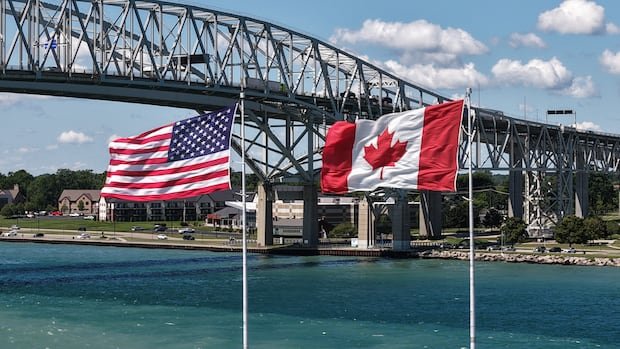

The latest move from the White House intensifies the trade tension between Canada and the U.S., as Canadian dairy, motorcycles, and certain alcohol products are now banned from import. Economists suggest that while these bans and the addition of 50% tariffs on various products may not significantly impact the overall Canadian economy, specific industries will feel the pinch, causing concern among business owners.
In response to Canada’s counter-tariffs, the White House imposed bans and increased tariffs on items like mattresses and paper products. Despite the new tariffs affecting around $3 billion of Canadian goods and the removal of tariffs from about $2 billion worth of exports, the overall impact is considered marginal given Canada’s substantial $527 billion worth of exports to the U.S. in 2025.
According to Derek Holt, an analysis indicates that the bans on alcohol, dairy, and motorcycles will have minimal effect due to the relatively low quantities of these products exported to the U.S. Alcohol exports, the highest among the three categories, amounted to $550 million last year, and the bans are estimated to impact only $700 million worth of Canadian exports to the U.S.
Economists emphasize that the economic risk posed by the soaring oil prices, driven by escalating tensions in the Middle East, outweighs the impact of the new U.S. measures. Chief economist Doug Porter from BMO also notes that the value of newly tariffed items and those removed from the list balances out, leaving Canada in a similar position as before the announcement.
While certain industries and regions will bear the brunt of the tariffs, causing significant concern for business owners, the overall economic impact may not be as severe as anticipated. The direct impact of the bans on already tariffed items is expected to be relatively small, as many products were effectively kept out of the U.S. market by existing 50% tariffs.
Despite the modest numerical impact, the escalation in trade measures sends a strong message to business owners. The shift from increasing tariff percentages to an all-out ban raises uncertainties and dents business confidence, leading to indirect economic repercussions. The sudden enforcement of some measures next week without a significant lead time adds to the challenges faced by businesses on both sides of the border.