
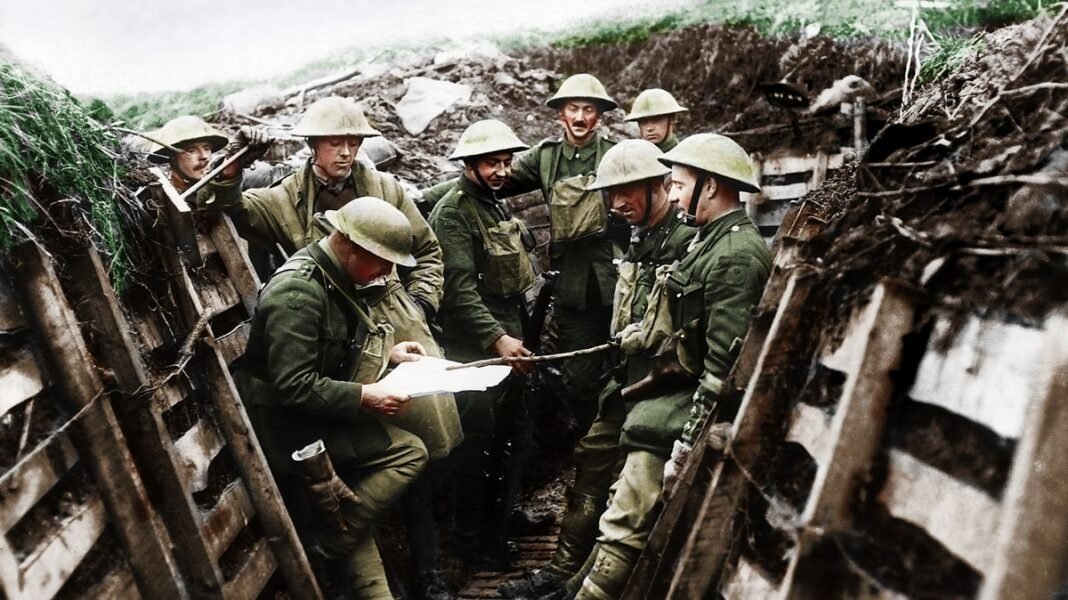

On this day, we honor the memory of those who made the ultimate sacrifice for their nations in conflicts worldwide, especially the young soldiers who fought in the two major world wars. The First World War brought significant changes to global warfare due to technological advancements, leading to widespread devastation and loss of life on both sides.
British troops serving in the front lines during this brutal conflict were well aware of the risks they faced and the possibility of never returning home. Many soldiers took precautionary measures to ensure their bodies could be identified in case of fatal injuries, given the chaotic and destructive nature of the battles they endured in No Man’s Land.
During World War One, soldiers resorted to using spoons to mark their identity, realizing the fragility of traditional identification methods. Engraving their names or service numbers onto metal spoons and securing them in their boots or puttees became a common practice to avoid being left unidentified in the aftermath of the intense warfare.
Puttees, which were fabric strips wrapped around soldiers’ lower legs and boots, served multiple purposes, including protecting against water and mud infiltration and offering ankle support in the challenging battlefield conditions.
The historical significance of soldiers’ use of spoons for identification during World War One remains a poignant reminder of the sacrifices made during the conflict. As we observe Remembrance Sunday, we pay tribute to all those who have bravely served and remember the solemn legacy of past conflicts, including the devastating toll of the First World War.