
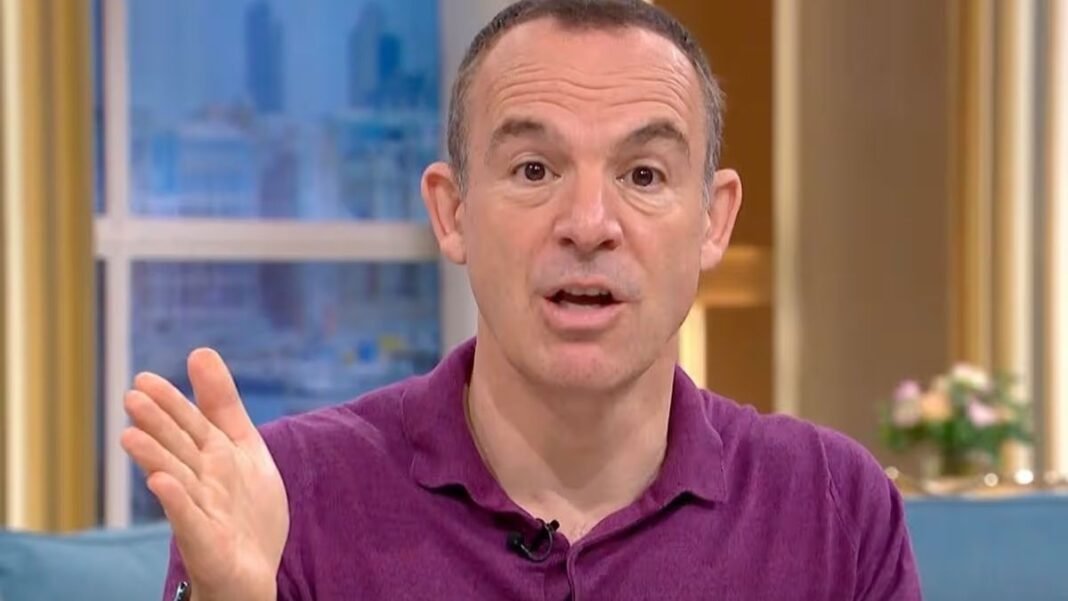

Martin Lewis’ MoneySavingExpert.com team has analyzed whether Premium Bonds remain a viable option following NS&I’s reduction in its prize fund rate. Premium Bonds differ from traditional savings products as they involve participants in a monthly prize draw, instead of offering a fixed interest rate on invested money.
While the monthly prizes range from £25 to £1 million, winning a prize every month is not guaranteed, with a higher number of smaller prizes compared to larger sums. Typically, thousands of £25 prizes are awarded, while only two £1 million prizes are given out. NS&I recently announced a reduction in the Premium Bonds prize fund rate from 3.6% to 3.3% starting from the April 2026 draw.
The prize fund rate serves as the closest equivalent to an interest rate for Premium Bonds. The odds of an individual bond winning a prize have decreased from 1 in 22,000 to 1 in 23,000. MoneySavingExpert.com’s team, led by Martin Lewis, highlighted that the latest rate cut makes Premium Bonds less competitive compared to other savings options available in the market.
According to their analysis, individuals with typical luck are unlikely to achieve a return of 3.6% or 3.3%, even with the maximum £50,000 investment in Premium Bonds. They emphasized that accounts offering interest payments are now more favorable compared to Premium Bonds for most savers, as interest rates provide a guaranteed return. For instance, with a top easy-access rate of 4.5%, savers could earn £45 in interest annually for every £1,000 saved, offering a more predictable outcome than Premium Bonds.
MoneySavingExpert.com advised that most individuals are expected to receive less than the prize fund rate with lower chances of winning the top £1 million prize. They concluded by suggesting that while investing in Premium Bonds may not be the most lucrative option for many, it could still be a viable choice for those who understand and accept the associated risks and uncertainties.