
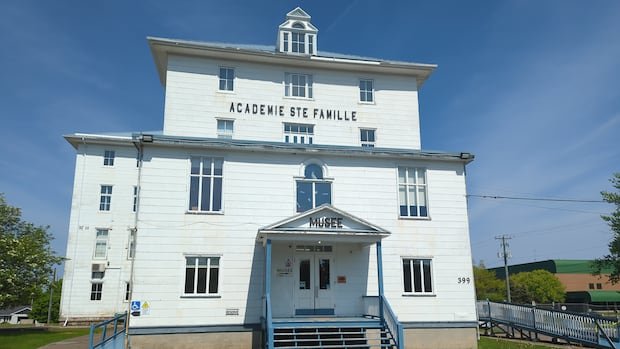

New Brunswick boasts over 100 museums and heritage sites, with a focus on eight historical locations in small towns. Tracadie, in northeastern New Brunswick, once had a presence of the Religieuses Hospitalières de Saint-Joseph nuns who provided care, ran an orphanage, and educated locals. Although no longer active in Tracadie, their legacy lives on at the Musée Historique de Tracadie.
Initially, the nuns primarily managed a lazaretto, a hospital for lepers. The first case of leprosy in Tracadie was in 1828, likely brought by immigrants from Norway. The disease’s spread was linked to a tragic incident involving two infected individuals who sought refuge in the town. Lepers were initially sent to Sheldrake Island, but the first lazaretto in Tracadie was built in 1849 and later expanded to accommodate patients from across Canada.
In 1943, Dr. Guy Henry Faget discovered that promin, an existing drug, effectively treated leprosy, leading to the closure of the lazaretto in 1965. Besides leprosy care, the nuns also provided general healthcare services to the community. The lazaretto housed a francophone hospital, a rare feature in New Brunswick at that time.
The museum displays artifacts from the hospital’s past, showcasing historical medical equipment. The nuns also established schools in Tracadie, recognizing the need for education in the community. The boarding school provided a comprehensive education, attracting students from various regions.
While the Religieuses Hospitalières de Saint-Joseph order continues its work in other locations, the order officially departed from Tracadie in 2025. Visitors to the museum, including medical professionals, are often amazed by the tools and practices of early healthcare providers.