
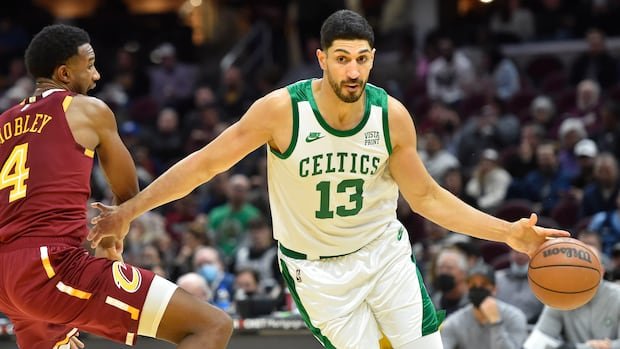

Two former NBA athletes have stirred controversy by announcing their intentions to join the 2027 WNBA draft, sparking heated debates about transgender athletes. Enes Kanter Freedom and Royce White received widespread criticism for their declarations, with one sports columnist denouncing their actions as disrespectful and harmful to marginalized individuals.
The WNBA has been embroiled in controversy following comments made by Indiana Fever guard Sophie Cunningham regarding transgender individuals in sports. Kanter Freedom and White have stated that their plans to enter the draft are subject to the league’s regulations, which currently allow only women to participate but do not explicitly prohibit transgender women.
Kanter Freedom, a retired NBA player, emphasized on Instagram that he meets all the WNBA requirements simply by affirming his identity. He clarified that his intentions are not to ridicule or disrespect any community. On the other hand, White, who had limited NBA experience, mentioned in an interview with Fox News that he sometimes identifies as a woman for basketball purposes and highlighted physical attributes he believes align with the WNBA standards.
The push by Kanter Freedom and White has been interpreted as a political move targeting the WNBA, a league known for its diverse and inclusive nature. Critics have accused them of insincerity and criticized their motives as being part of a broader effort to marginalize transgender individuals.
The WNBA’s eligibility criteria specify that only female players are allowed, without explicit exclusion of transgender women. In response to the ongoing discussions and online vitriol directed at players, the league issued a statement condemning any attempts to diminish or marginalize others through bad-faith efforts.
The broader context of the debate highlights how right-wing figures have increasingly used women’s sports to promote anti-trans narratives, leading to real-world consequences and impacting policies within sports organizations and government institutions. The discussion echoes similar controversies in Canada and international sports bodies, raising questions about inclusivity and safety for all individuals in athletic environments.