
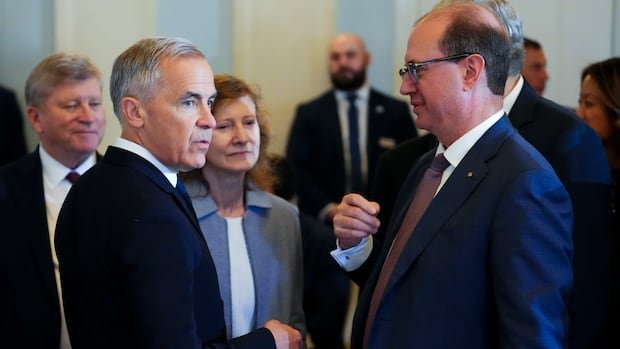

Canada’s representative to the U.S. emphasized the importance of reintroducing American alcohol to Canadian markets as a key step in finalizing a trade agreement and avoiding potential new tariffs, as reported by CBC News. Ambassador Mark Wiseman shared this insight during a comprehensive briefing to approximately 100 members of the Canada-U.S. trade council, consisting of various businesses, industry associations, and labor groups.
The ongoing discussions between Canada and the U.S., aimed at preventing the imposition of 50% tariffs on Canadian exports totaling billions of dollars, are reaching a critical stage as negotiators race against a looming deadline of midnight Friday. Wiseman disclosed a preliminary consensus to avert the tariffs during his briefing, according to sources familiar with the call.
Sources also revealed that approximately 35 Canadian officials are currently stationed at the Canadian Embassy in Washington to finalize the terms of a potential trade deal within a tight timeline of 24 to 48 hours. Wiseman outlined key aspects of the proposed agreement, including reductions in steel, aluminum, and auto tariffs, as well as modifications to the allocation process for dairy import licenses, which could impact the availability of American dairy products in Canadian stores.
Following Wiseman’s presentation, former Canadian chief trade negotiator Steve Verheul cautioned the council about potential drawbacks of the deal. Verheul, who played a pivotal role in the negotiations leading to the Canada-U.S.-Mexico Agreement and previous NAFTA talks, expressed concerns about the immediate threat posed by President Trump’s Section 338 tariffs and warned against conceding long-term advantages in the negotiations.
Verheul highlighted the risk of Canada surrendering its leverage prematurely before the CUSMA review, potentially leading to heightened demands from the U.S. He emphasized that most American industries support maintaining duty-free trade under CUSMA and cautioned against significant concessions without adequate consultation with the impacted sectors.
The discussions also touched upon the Canadian auto sector’s disappointment over the lack of exemptions for Canadian-made content from American tariffs, with the matter being deferred to future negotiations under CUSMA. The council’s advisers, including former finance minister Chrystia Freeland, raised concerns about the implications of accepting tariffs and emphasized the challenges of reversing such decisions in the future.
As the negotiations continue, stakeholders are closely monitoring developments to secure a favorable outcome and maintain strong trade relations between Canada and the U.S.