
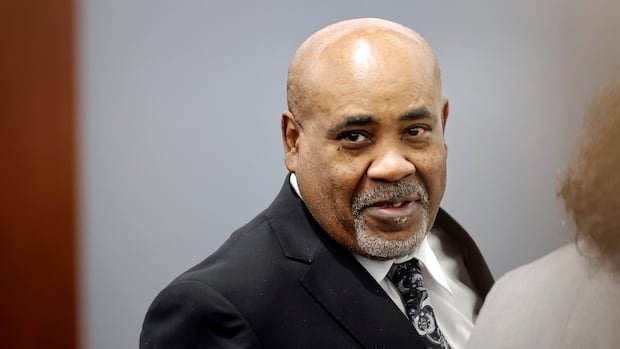

In a 2008 police interview audio recording, Duane (Keffe D) Davis informed detectives that his nephew Orlando (Baby Lane) Anderson was the one who fired the shots that led to the death of rapper Tupac Shakur. Davis, who stated that he was present in the car with Anderson during the incident, is currently facing allegations of orchestrating the 1996 killing of the 25-year-old hip-hop icon in Las Vegas. Notably, Anderson had passed away ten years before the interview took place.
According to Davis’s account during the interview with the Los Angeles police, he and Anderson, along with two other individuals, were in a white Cadillac that pulled up next to a vehicle carrying Shakur and hip-hop mogul Marion (Suge) Knight. Davis mentioned that he would have taken action if the circumstances were different but passed his gun to Deandre “Big Dre” Smith since Knight’s car was positioned on the opposite side. However, Smith declined to take the weapon, prompting Anderson, who was also in the back seat, to grab it and commence firing.
During the court proceedings, jurors attentively listened to the audio recording as Davis described the events leading to the shooting. This marked the first time Davis openly discussed his role in the crime with authorities, with the interview being a crucial piece of evidence in the prosecution’s case against the 63-year-old. Prosecutors emphasized that they would heavily rely on Davis’s own admissions from police interviews, podcasts, and his co-authored memoir, “Compton Street Legend,” to make their case.
Davis, who has pleaded not guilty, has been defended by his lawyer, who dismissed the prosecution’s narrative as fictional. The defense argued that Davis’s accounts were not supported by evidence and criticized investigators for failing to validate his statements. Initially brought in by the Los Angeles police to discuss the 1997 shooting death of Shakur’s rival, the Notorious B.I.G., Davis was briefly considered a suspect before being cleared.
Despite assurances of confidentiality during the interview, prosecutors contended that Davis breached this agreement by later discussing the shooting in various public platforms, thereby nullifying any previous understandings with law enforcement. Prosecutors allege that Shakur’s killing was in retaliation for an earlier altercation where Shakur’s entourage had reportedly assaulted Anderson at the MGM Grand after a Mike Tyson fight.
In the aftermath of the incident, Shakur’s enduring legacy as a cultural icon and influential rapper has continued to resonate, solidifying his status as one of the most revered artists in the hip-hop genre. His tragic death in 1996, during a period of rising fame and burgeoning acting career, has only served to enhance his mythic stature over the years.