
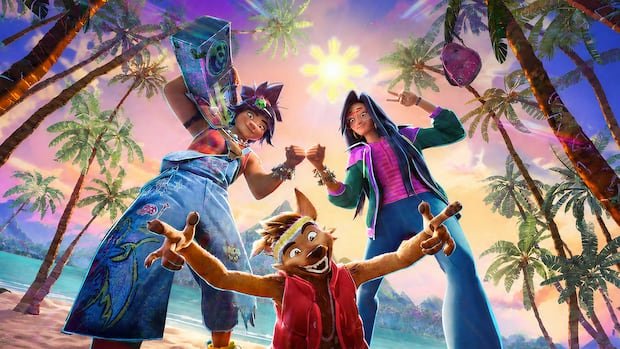

Tricia Serdon, a Filipino Canadian, grew up watching Disney movies but never found a princess who resembled her until she discovered “Forgotten Island.” The film, released on Sept. 25 by Dreamworks Animation, is a groundbreaking Hollywood animated feature that showcases Filipino culture and mythology. It tells the story of Jo and Raissa, childhood friends whose paths diverge when Raissa leaves the Philippines for college in the U.S. while Jo stays behind.
In the fantasy world of Nakali, derived from centuries-old Filipino folklore, the two friends grapple with separation and encounter supernatural beings like the manananggal and kapre. The film creatively reimagines these mythical creatures in a way that resonated deeply with Serdon, who appreciated the accuracy and authenticity portrayed on screen.
Co-directed by Januel Mercado and Joel Crawford, the film serves as a tribute to Filipino culture, drawing inspiration from rich but lesser-known mythologies. The creatures in the movie also symbolize emotional struggles, such as the weredog representing the uncertainties of adolescence and identity.
Beyond its magical elements, “Forgotten Island” captures the essence of Filipino family life with scenes depicting lively parties and close-knit relationships. Serdon, moved by the film’s portrayal of friendship and cultural specificity, hopes it will inspire more Filipino stories and representation in mainstream media.
The commitment to representation extends beyond the film itself, with a voice cast featuring prominent Filipino talents and Manila-based Snipple Animation contributing to the flashbacks. The filmmakers aim to encourage other Filipino creators to share their interpretations with global audiences, fostering a more inclusive and diverse storytelling landscape.
As viewers connect with the film’s themes of friendship, family, and ambition, Serdon envisions a future where young Filipinos can see themselves represented on screen without searching extensively. “Forgotten Island” paves the way for a new era of Filipino storytelling, where narratives reflecting diverse cultures and experiences are celebrated and embraced.