
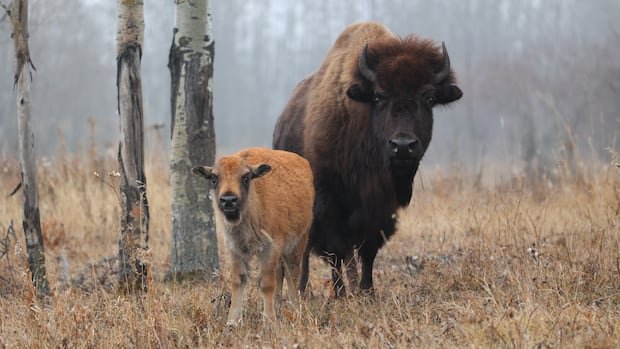

Once abundant across North America, bison faced near extinction due to relentless hunting, leading to significant changes in their genetic makeup. A recent study, detailed in the journal Science, examined 160 bison genomes spanning 20,000 years, with a team of nearly 40 scientists, including Canadians, spearheaded by paleogeneticist Jonas Oppenheimer from the Paleogenomics Lab at the University of California, Santa Cruz.
The research aims to aid conservation efforts by understanding the complex genetic evolution of bison, which have become isolated in managed populations. The genetic analysis revealed a notable shift in genetic diversity among bison herds, highlighting the impact of past population bottlenecks.
By sequencing ancient bison DNA alongside modern samples from various herds in Canada and the United States, the study produced a comprehensive genetic map of the species. This extensive genetic data, which includes 115 ancient bison genomes and 45 modern ones, sheds light on how bison populations have been affected by historical declines.
The research also uncovered a significant divergence between wood bison and plains bison, demonstrating distinct genetic lineages shaped by environmental adaptations and human interventions. These findings underscore the importance of managing bison herds separately to preserve their unique genetic characteristics.
The study’s lead researcher, Greg Wilson, emphasized the need for targeted conservation efforts, such as facilitating genetic exchange among isolated herds to mitigate inbreeding risks and safeguard genetic diversity. By leveraging ancient DNA insights, conservationists can work towards restoring genetic connectivity in bison populations, ensuring their resilience and long-term survival.
Tag: rewrite-pending