

A species in Canada can be classified as endangered and face prolonged delays in receiving protection decisions from Ottawa, all while its essential habitat undergoes continuous changes.
According to a recent study, out of 288 species evaluated as at risk since 2017, only 17 have reached the final listing decision stage by the federal cabinet body, the Governor in Council, within the recommended timeframe. As of January 25, 2025, over half of the assessed species, totaling 153, were past their due dates for listing decisions.
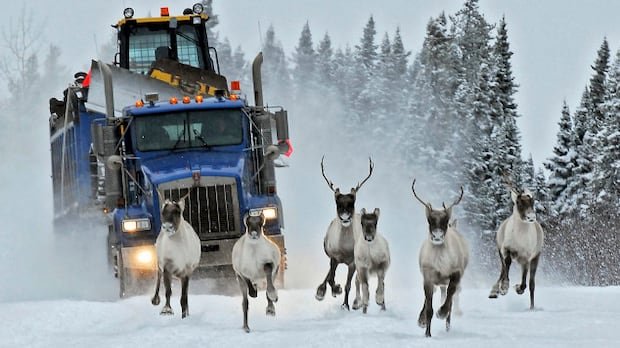
Notable populations like caribou, beluga whales, and lake sturgeon have been identified as endangered or threatened but are still awaiting final listing decisions that could trigger habitat safeguards and recovery strategies.
The study highlights a bottleneck in the Species at Risk Act (SARA), where while Ottawa has set timelines for advancing assessments, there is no statutory deadline for a critical stage in the process. This loophole allows governments to delay difficult choices between conservation efforts and economic considerations.
Researchers, led by Peter Thompson from Simon Fraser University, emphasize that the government consistently fails to meet its self-imposed timelines, causing significant delays in the protection process for vulnerable species.
One example is the Saskatchewan-Nelson River population of lake sturgeon, designated as endangered in 2017 due to drastic declines. However, the assessment missed a federal deadline in 2020, leaving the species in limbo five years later, facing threats from dam constructions hindering its natural movement patterns.
The delay in listing endangered or threatened species impacts their legal protection status under SARA. Once listed, prohibitions against harming or capturing the species are triggered, along with the requirement for a recovery strategy that identifies critical habitats for protection.
Aquatic species, in particular, face challenges as SARA’s regulations apply universally across Canada for them compared to terrestrial species. The study points out that delays in listing decisions disproportionately affect marine mammals and fish, with a majority still pending by the study’s deadline.
Indigenous consultation, though cited as a reason for some delays, should not be seen as a barrier but rather integrated into the species-listing process. The study identifies information collection and analysis as common causes for delays, indicating the need for a more streamlined and transparent process to protect vulnerable species efficiently.
Both researchers and experts emphasize the urgent need for an expedited process to provide essential protections for endangered species and their habitats.