
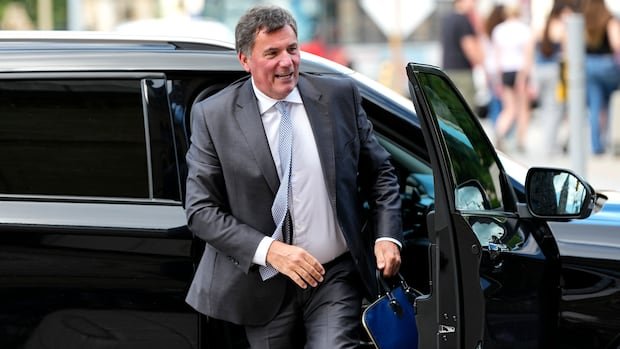

Canada’s Trade Minister, Dominic LeBlanc, engaged in a lengthy meeting with U.S. officials in Washington to finalize a deal aimed at providing tariff relief for Canadian industries and reinstating U.S. liquor sales in province-operated stores. LeBlanc, shuttling between Ottawa and Washington in recent days, emphasized the progress made during the meeting with U.S. President Trump’s trade representative, Jamieson Greer, while keeping specific details confidential.
Reports suggest that negotiations involve reducing U.S. tariffs on Canadian steel and aluminum from 50% to 25%, with ongoing discussions on derivatives and exemptions. The agreement is also expected to lower tariffs on Canadian vehicles from 25% to 15%, with a potential drop to 7.5% for non-U.S. vehicle components. The deal hinges on Canada ending the U.S. alcohol boycott in liquor stores and relaxing provincial restrictions on American firms vying for government contracts.
Although Manitoba Premier Wab Kinew expressed skepticism about dealing with Trump, he acknowledged the need to comply with the liquor sales condition of the agreement. Nova Scotia Premier Tim Houston supported the deal, contrary to Kinew’s portrayal of Carney’s approach as pleading. Quebec Premier Christine Fréchette and B.C. Premier David Eby expressed cautious optimism about the potential benefits of the trade deal for their provinces.
LeBlanc and his team are diligently working towards a mutually beneficial agreement, striving to secure economic advantages for Canada and its workforce. The negotiations reflect a significant step towards resolving trade disputes and fostering a more stable economic relationship between the two countries.