
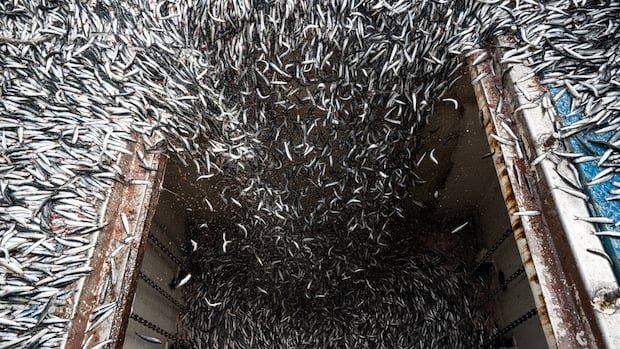

In 2020, government investigators in Goa, India, visited United Marine Products factory to probe its wastewater disposal methods. Local complaints about air quality and water contamination prompted the inspection. The factory produces fish meal, a protein powder for farmed fish, made by processing wild-caught fish.
Inspectors uncovered that the plant illegally disposed of wastewater by drilling bore holes behind the facility. Authorities later confirmed that these bore holes contaminated groundwater, causing illnesses in villagers and livestock. The plant owner denied any wrongdoing.
While Canadian seafood consumers may feel distanced from such issues, the factory in India supplied Skretting, a major feed producer used by Canadian fish farms. The investigation by The Outlaw Ocean Project revealed hidden costs in producing this feed, including job losses, chemical exposure, worker fatalities, and protests due to foul odors from fish meal factories.
These social and environmental impacts primarily affect poorer countries where the feed ingredients are harvested, contrasting with the luxury seafood consumption in other regions.
The global consumption of farmed seafood has surpassed wild catch since 2022, with aquaculture being a rapidly growing industry fueled by fish meal and fish oil made from wild fish. Carnivorous seafood like salmon and trout require external feed, posing challenges to their farming.
Canada, with over 200 fish farms, largely relies on fish meal sourced from abroad to feed aquaculture. While domestic fish meal production uses byproducts, a significant portion is imported, connecting Canadian consumers to social and environmental costs overseas.
The Outlaw Ocean Project conducted a comprehensive investigation mapping the global fish meal industry, exposing issues such as food insecurity, pollution, labor exploitation, and unsustainable practices. The investigation covered various countries, revealing concerning practices in different stages of the fish meal supply chain.
The investigation also highlighted the unsustainable practices of fish meal vessels, with most not meeting transparency standards, leading to overexploitation of fish stocks. Despite industry claims of reducing reliance on fish meal, demand continues to grow, raising concerns about sustainability and ethical sourcing.
Producers have made efforts to decrease fish meal usage, but the demand persists. The investigation also raised concerns about fish meal and fish oil plants in Canada linked to pollution and unsustainable fishing practices, impacting global seafood supply chains.
Skretting Canada, a major feed producer, faced scrutiny for sourcing fish meal from problematic factories in India. The company initiated an investigation, emphasizing a zero-tolerance policy for breaches. Retailers like Metro Canada have supplier codes of conduct to ensure ethical sourcing across their supply chains.