
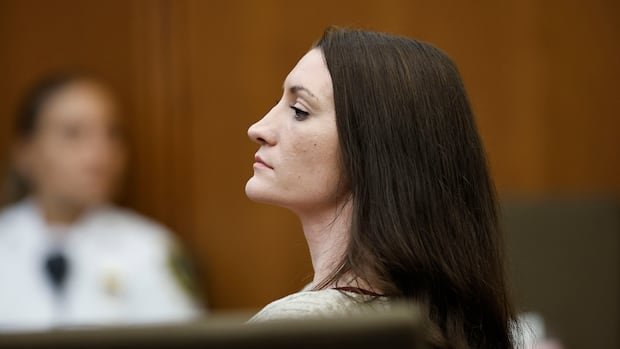

In the murder trial of Lindsay Clancy, a mother accused of strangling her three young children, testimony wrapped up on Wednesday, highlighting the impact of postpartum mental health issues. The case has sparked interest in postpartum psychosis, with Clancy pleading not guilty by reason of lack of criminal responsibility. Her defense team argues that she was in the throes of postpartum psychosis when she killed her children at their home in coastal Duxbury, Mass., in January 2023.
Closing arguments are slated to start on Thursday, paving the way for jury deliberations. Prosecutors allege that Clancy meticulously planned the killings and was aware that her actions were wrongful. While Clancy did not take the stand during the trial, the defense presented 10 witnesses, including acquaintances and family members, while over 70 witnesses, including her ex-husband, were called by the prosecution.
A forensic psychiatrist from the University of Virginia, also a senior psychiatrist at the FBI’s Behavioral Analysis Unit, testified as the final rebuttal witness for the prosecution. He disputed Clancy’s claim that a voice instructed her to harm the children. Dr. Gregory Saathoff expressed surprise at Clancy’s ability to carry out the acts without specific directives, indicating her control over the sequence of events.
The tragic incident involved the children being strangled with exercise bands in the family’s basement before Clancy attempted suicide while her husband was away on Jan. 24, 2023. Saathoff noted discrepancies in Clancy’s account of hearing a voice, highlighting the unusual cessation of the voice after the act. The defense challenged Saathoff’s expertise in postpartum psychosis, questioning his alignment with law enforcement and emphasizing Clancy’s efforts to seek help, indicating her awareness of her mental state.
The trial has shed light on the complexities of postpartum mental health and the devastating consequences when it goes untreated. The case serves as a stark reminder of the importance of recognizing and addressing mental health challenges, particularly in the vulnerable postpartum period.