

A second feline has been diagnosed with raccoon rabies this summer in Saint-Anicet, Quebec, located in the Montérégie region. Following contact with the infected animal, three individuals sought preventative treatment against the disease, according to a news release from Santé Québec Montérégie-Centre issued on Monday. This incident occurred a week after the first cat was confirmed to have the viral illness in Godmanchester, also within the Montérégie region.
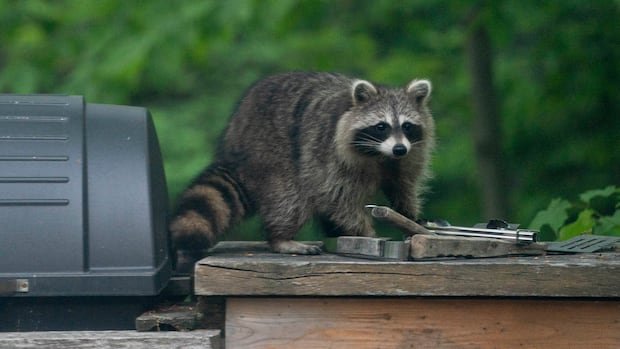
Highlighting the importance of keeping pets’ vaccinations current, Santé Québec emphasizes the ongoing spread of raccoon rabies in the Estrie, Montérégie, and Centre-du-Québec regions. Health authorities advise pet owners to ensure their animals do not roam freely outdoors without supervision and recommend avoiding contact with unfamiliar domestic and wild creatures, regardless of their appearance or health status.
In the event of a bite, scratch, or potential exposure to the saliva of a suspected rabid animal, individuals are advised to cleanse the affected area for 10 to 15 minutes and promptly call Info-Santé at 811. Swift administration of preventative treatment is crucial to thwart the progression of the disease.
Animals infected with rabies may display altered behavior, aggression, a propensity to bite and isolate themselves, reduced appetite, excessive drooling, or an unsteady gait. Should a pet exhibit these symptoms, it should be isolated to limit interaction with other animals and humans and promptly examined by a veterinarian.
The Environment Ministry confirmed the initial case of raccoon rabies in the Centre-du-Québec region in Saint-Eugène-de-Grantham. Residents of the Eastern Townships, Montérégie, and Centre-du-Québec are urged to report deceased, injured, disoriented, paralyzed, or unusually aggressive raccoons, skunks, or foxes via an online form. Those residing outside these areas in Quebec can report potentially rabid wildlife by contacting the Environment Ministry at 1-877-346-6763.