
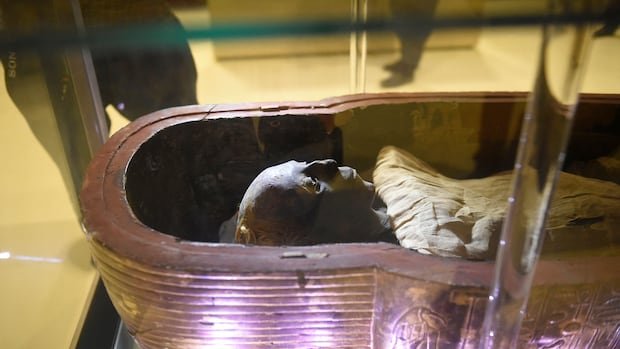

In a recent study published in the International Journal of Cultural Property, researchers led by Kirsty Squires from the University of Staffordshire in England examined 128 online posts from 2015 to 2025 showcasing and promoting the sale of preserved human and animal remains. The study revealed that mummified body parts, such as heads, hands, and feet, were commonly featured in these posts.
According to Squires, improperly stored mummified remains can harbor dormant microorganisms like bacteria, fungi, and yeast, which may pose health risks if not handled correctly. The lack of controlled environmental conditions in homes or storage areas where these remains are kept can lead to deterioration and the release of harmful airborne spores and bacteria.
Squires emphasized the importance of proper handling procedures, citing the potential risks for immunocompromised individuals who could be exposed to airborne microorganisms. Additionally, some mummified body parts may contain toxic chemicals like arsenic and mercury from historical embalming practices.
While the study did not report any specific cases of illness resulting from handling these remains, historical incidents, such as the deaths of conservation scientists in 1973 due to inhaling mold spores and the speculated role of fungal spores in the death of Lord Carnarvon in 1923, highlight potential dangers associated with exposure to preserved human remains.
James Scott, a public health professor, expressed more concern about the ethical implications of trading in human remains rather than the health risks. He suggested that collectors who handle these items with care and protective gear may face minimal health hazards.
The study identified 11 online posts from individuals in Canada selling human remains, reflecting the presence of a market for such items in the country. Shawn Graham, a digital archaeology professor at Carleton University, raised concerns about the unregulated nature of the trade in Canada and called for stricter regulations to prevent the sale and purchase of human remains online.
Graham advocated for legislation similar to the proposed U.K. bill that aims to ban the online trade of human remains. He criticized the commodification of human bodies, particularly those from non-European populations, as a form of colonialism and appropriation.
As the debate continues on whether the online trade of human remains should be prohibited, the study sheds light on the potential health hazards and ethical dilemmas surrounding the sale and handling of preserved human remains in the modern market.