
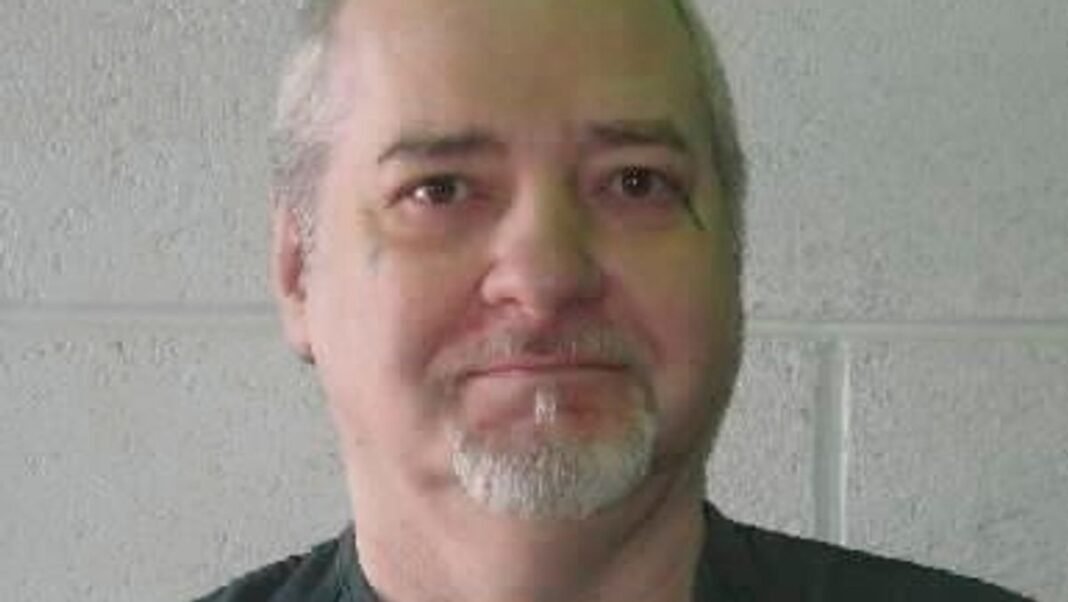

A death row convict shared his harrowing ordeal of facing a failed execution after five decades behind bars in Idaho for multiple murders across three states. Thomas Creech, 73, recounted the agony of enduring repeated attempts to insert an IV line during the failed execution process in February. Medical staff struggled for nearly an hour, trying his arms, hands, and legs without success, leading to the termination of the procedure.
In an interview with the New York Times in 2024, Creech described the intense fear of potentially lethal needle jabs, especially when they reached his ankles, anticipating his imminent death. The night before the botched execution, he savored a final meal of chicken, mashed potatoes, and gravy, bidding farewell to his lawyers, wife, and stepson. Creech, who found love on death row and married LeAnn Creech in 1998, spent his last moments in prayer with a spiritual adviser before being strapped to a board in his cell in the F Block death row unit.
During the halted execution at the Idaho Maximum Security Institution, Creech made eye contact with his wife through the glass, expressing remorse before the execution team struggled to find a suitable vein in his right arm, right hand, left hand, and ankles. Despite 42 minutes of attempts, the execution was called off just before 11am, as confirmed by Creech’s legal representatives.
Idaho’s prison system director, Josh Tewalt, commended the decision to halt the execution, emphasizing the importance of dignity and professionalism in the process. Creech, a convicted serial killer, has given conflicting accounts of his crimes over the years, admitting to seven killings while under the influence of drugs. His lawyers have petitioned to overturn his death sentence, citing constitutional concerns and the risks of a second failed execution attempt, with a new warrant awaiting resolution pending an appeal.
Recent years have seen a rise in botched executions across various states, attributed to challenges in accessing veins due to factors like age, weight, health, and past drug use among inmates. Additionally, the procurement of lethal drugs for executions has posed difficulties for many states, leading to alternative methods like nitrogen gas in Alabama, which also faced criticism for its perceived cruelty.
Experts have highlighted the complexities faced by execution teams in ensuring a smooth process, with the lack of experience and various inmate-related factors contributing to execution failures. The evolving landscape of capital punishment continues to prompt discussions on the ethics and efficacy of execution protocols, emphasizing the need for transparency and humane treatment in carrying out such sentences.