
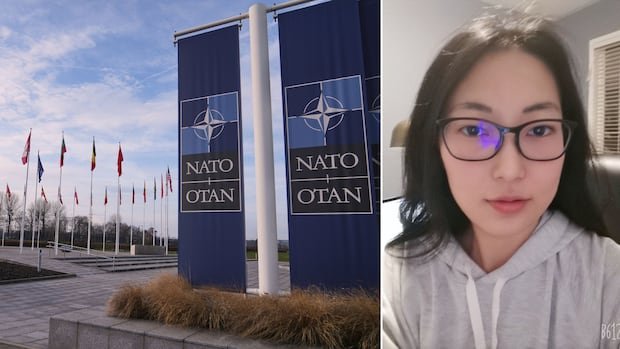

Several intelligence agencies in Western countries were caught off guard this summer as they tried to determine the extent of information accessed by a Canadian intern accused of spying at various government organizations. Biwei Zhang, the intern at NATO’s military headquarters in Mons, Belgium, was arrested by Belgian authorities on suspicion of espionage and links to a foreign criminal entity. She has been in custody since then and recently had her appeal for release denied.
Despite the limited details provided by Belgian officials, a CBC News investigation uncovered Zhang’s employment history, which included roles at Statistics Canada, the Canadian Space Agency, the European Space Agency, and the World Trade Organization. Although Belgian authorities have not disclosed the entity Zhang may have been spying for, reports from European media outlets, citing intelligence sources, suggest it was China.
The Canadian Security and Intelligence Service (CSIS) is leading a comprehensive assessment across multiple government departments to evaluate the potential implications of the espionage allegations. CSIS spokesperson Magali Hébert confirmed their involvement in coordinating efforts with other federal agencies.
Kenneth Lasoen, an intelligence expert at the University of Antwerp, highlighted the need for a thorough investigation into Zhang’s activities by European intelligence services. The concern lies in understanding the extent of her access, the potential damage caused, and any connections she may have had with other networks.
The focus in Canada has shifted towards questioning the security clearance process that allowed Zhang’s alleged espionage activities. While public attention is on the clearance issue, intelligence agencies are more interested in assessing the information she might have gathered and whether she had collaborators.
As the investigation unfolds, authorities are looking into the security data retention policies of the organizations Zhang worked for to reconstruct her actions. The European Space Agency and the World Trade Organization have emphasized the importance of national authorities conducting thorough background checks on individuals.
Zhang’s case raises questions about her possible ties to Chinese military intelligence and whether she operated independently or as part of a criminal organization. Reports suggest the existence of third-party networks in Europe collaborating with Chinese intelligence agencies.
Intelligence circles are deliberating on the nature of Zhang’s involvement and the potential implications of her actions. The European media consortium reported suspicions of accomplices in Zhang’s activities, indicating a broader network might be involved.
In light of these developments, agencies are intensifying efforts to understand the value of the information Zhang accessed and the potential risks posed by her actions. The intricate nature of cyber espionage tactics employed by China underscores the need for enhanced vigilance and security measures to safeguard critical systems from such threats.